Tell us whether the water is still moving, what is wet, and whether there are any electrical or ceiling hazards. Those details help set the priorities for a Clyde Hill water damage assessment.
CLYDE HILL · LOCAL CONTEXT
Tracing water damage in Clyde Hill
Washington Ecology’s public record documents Clyde Hill’s 2022 Small Drainage Program at several rights of way, including locations near NE 28th Place and NE 17th Street.
For a recurring wet area, establish whether runoff starts in a public right of way or on private land. That distinction helps identify who should investigate the source while the wet building materials are assessed separately.
RESTORATION SERVICES IN CLYDE HILL, WA
Local Water Damage Restoration Services in Clyde Hill, WA
Choose the type of damage to jump to the phone and contact section on this page.
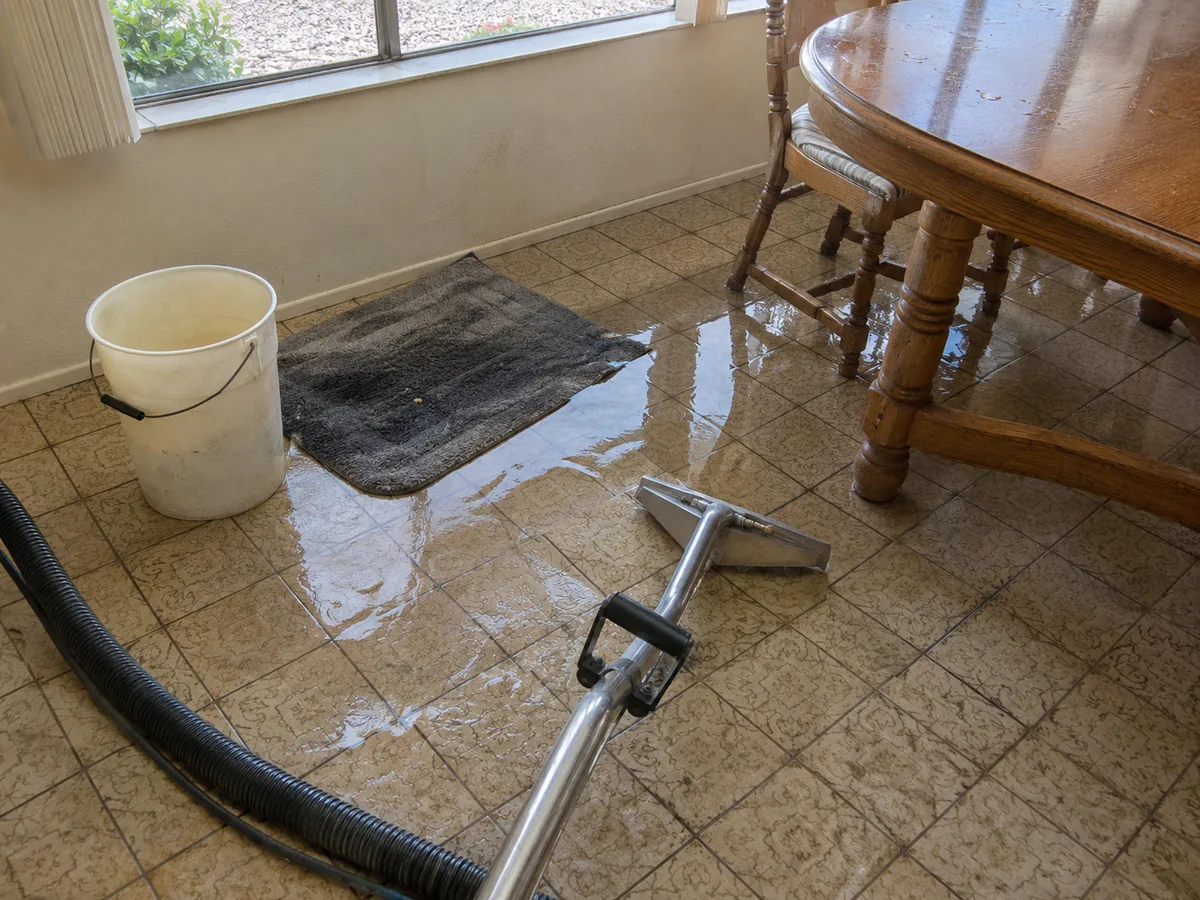
Water extraction
Discuss your Clyde Hill property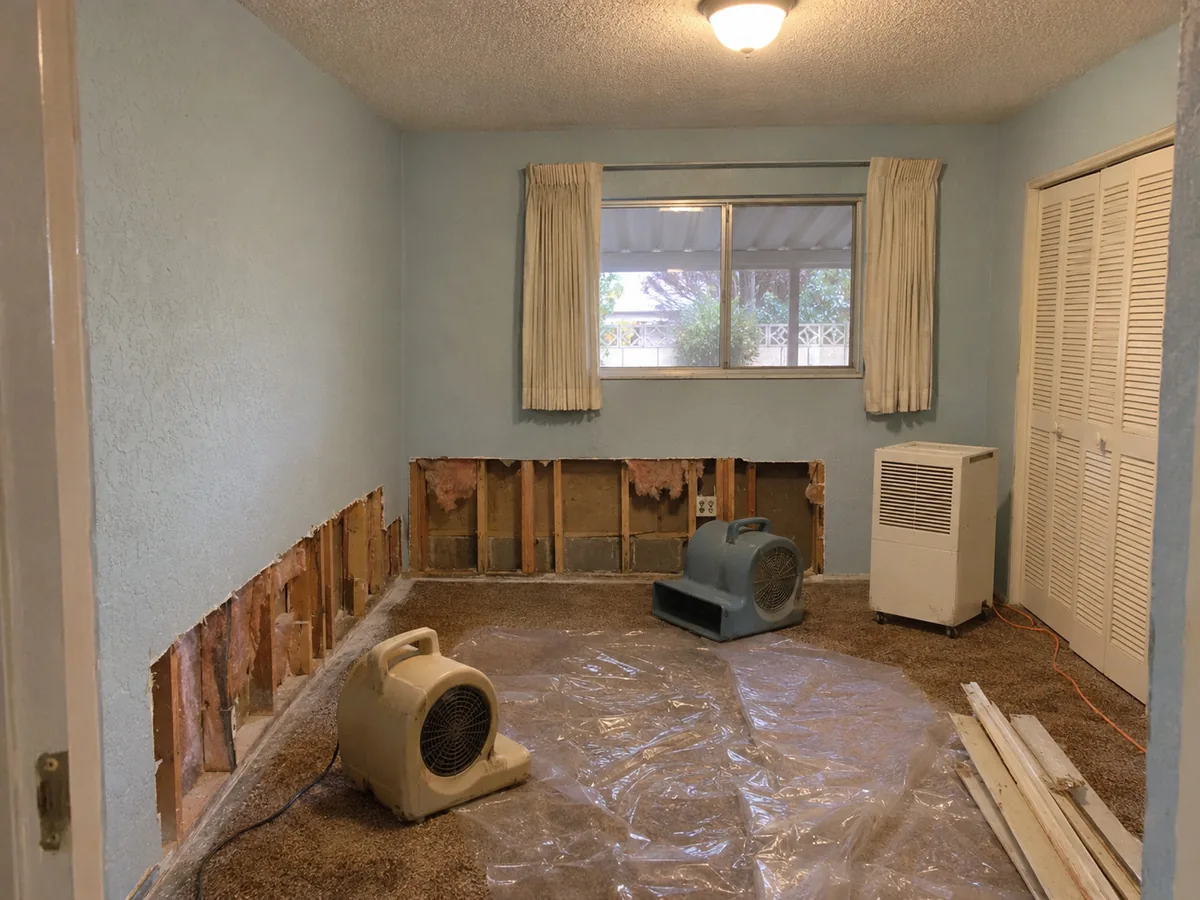
Structural drying
Discuss your Clyde Hill property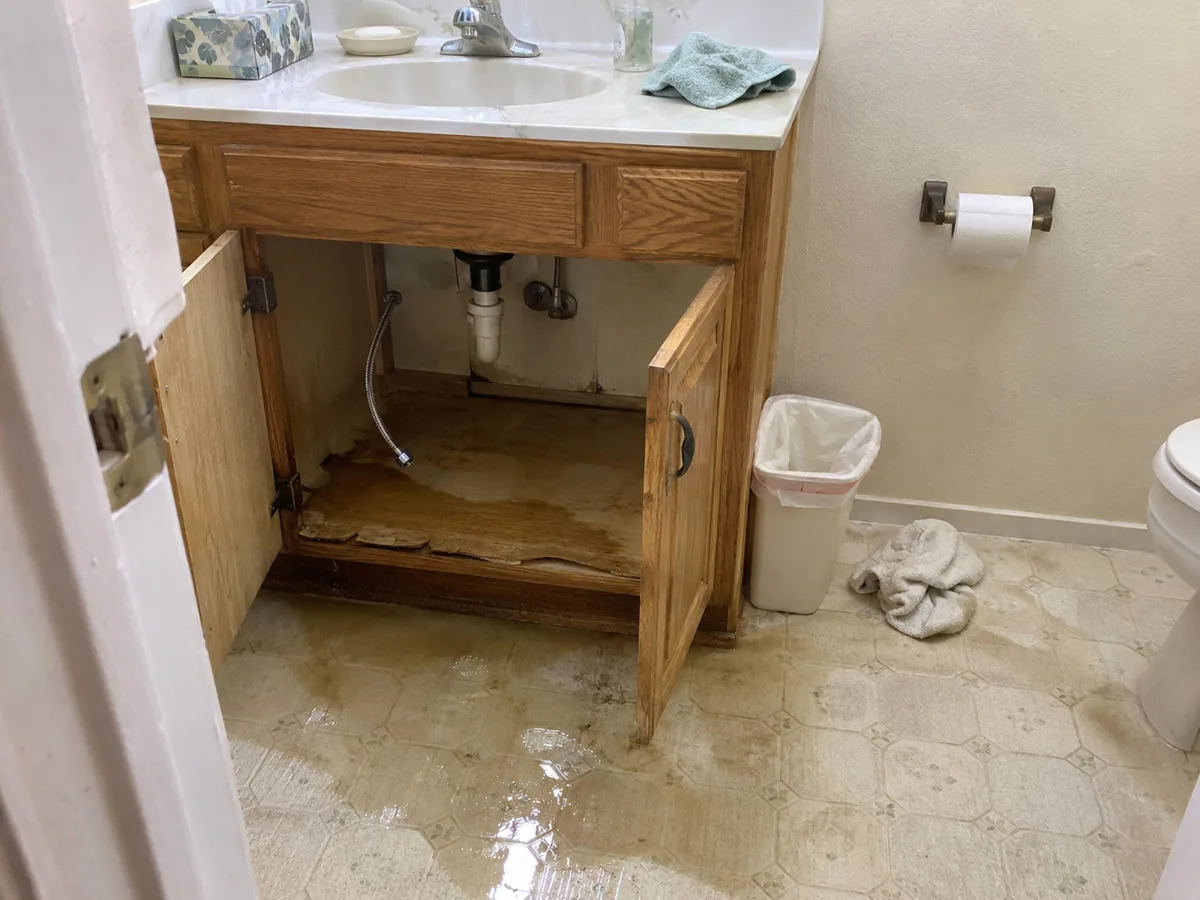
Burst pipe cleanup
Discuss your Clyde Hill property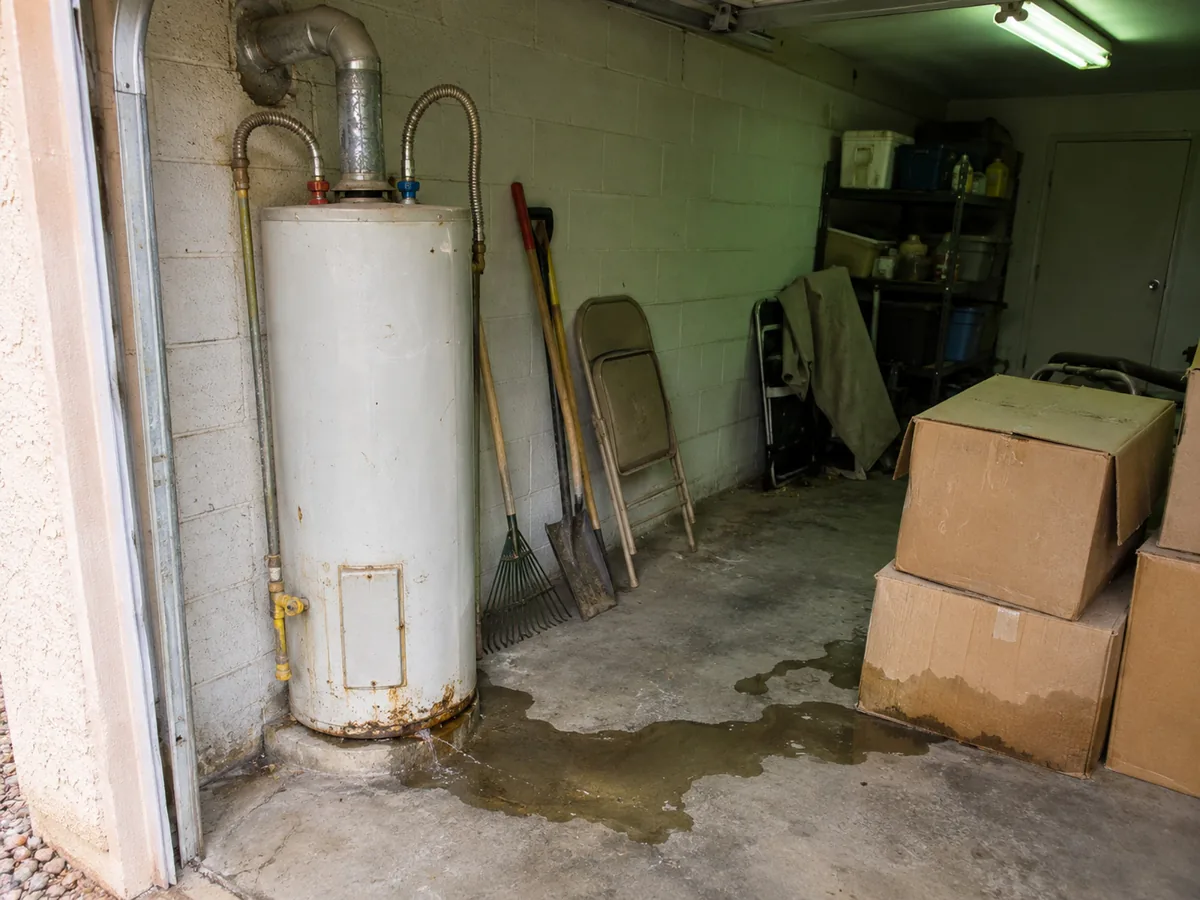
Water heater leak cleanup
Discuss your Clyde Hill property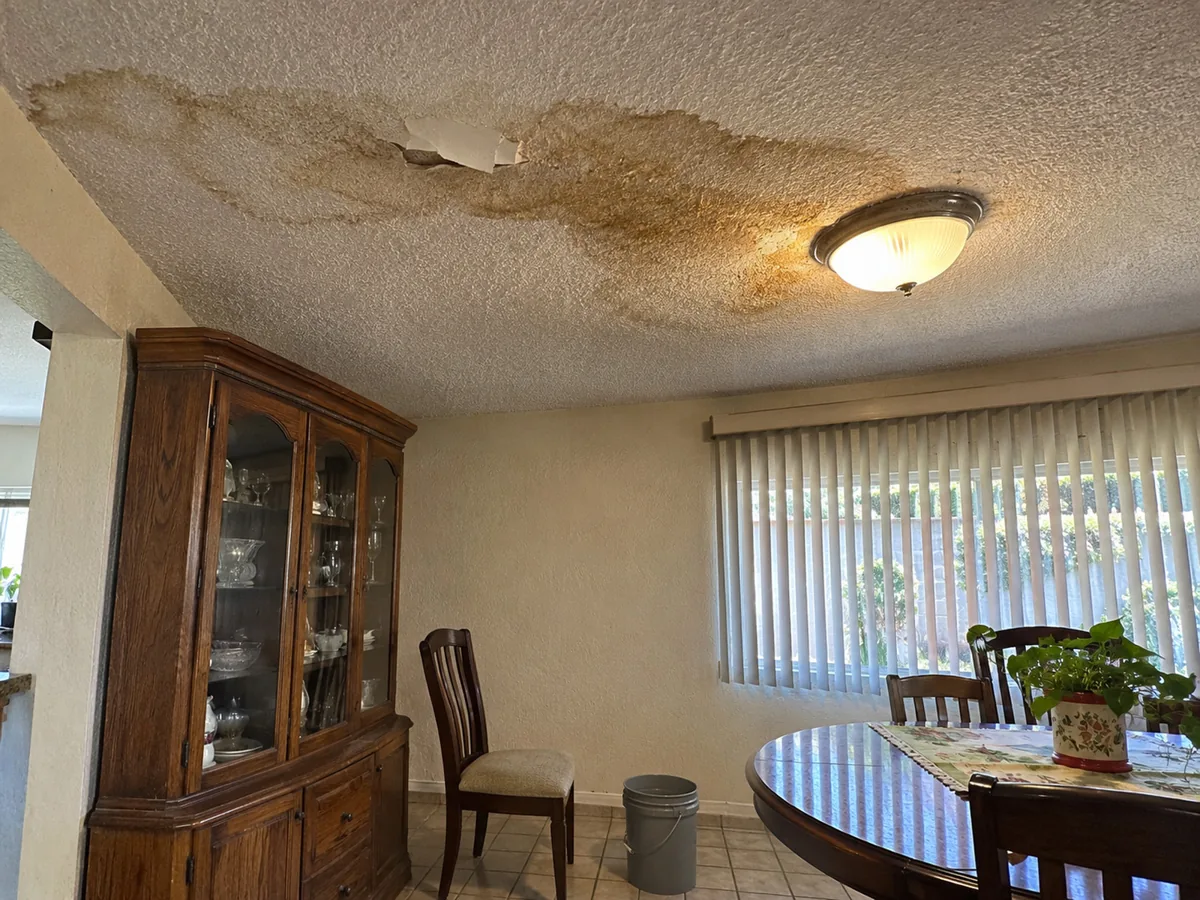
Roof and ceiling leak damage
Discuss your Clyde Hill property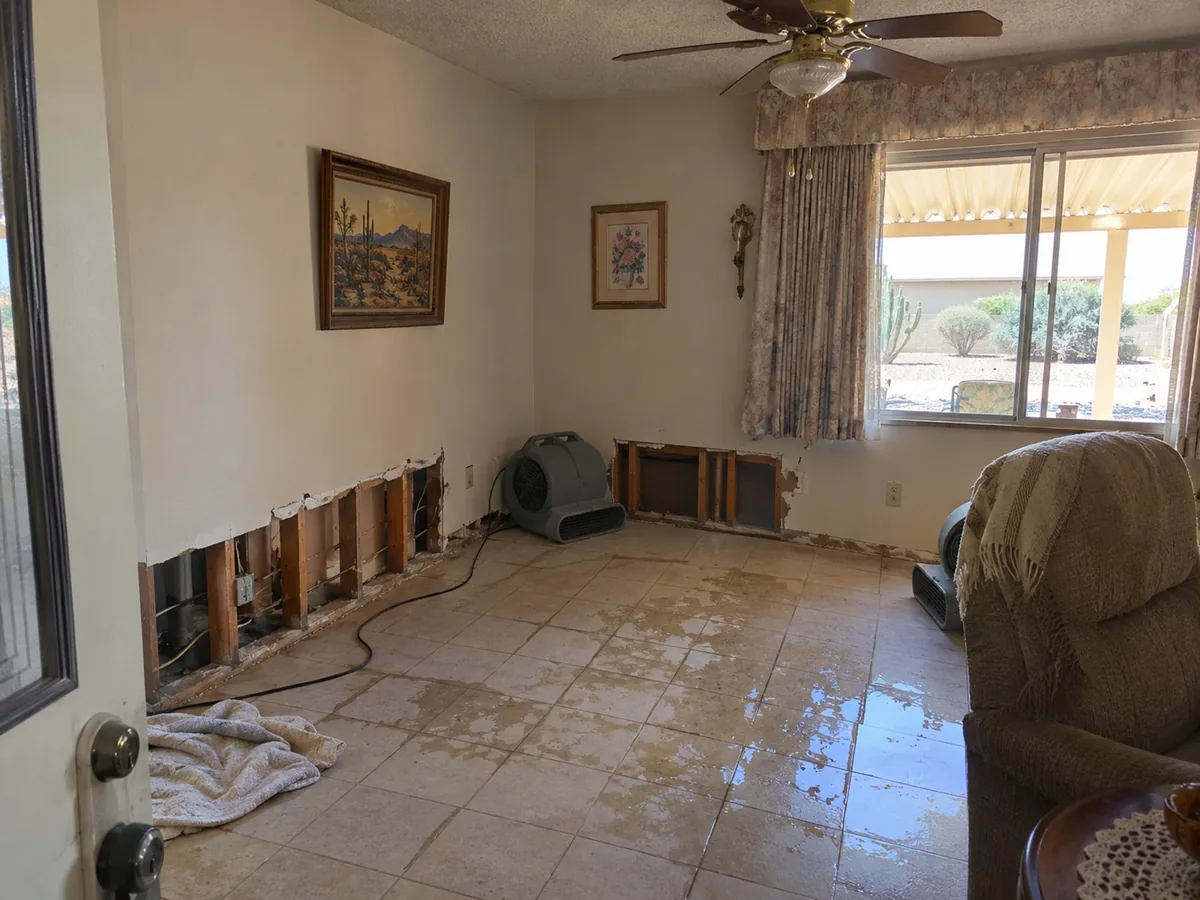
Storm water damage
Discuss your Clyde Hill property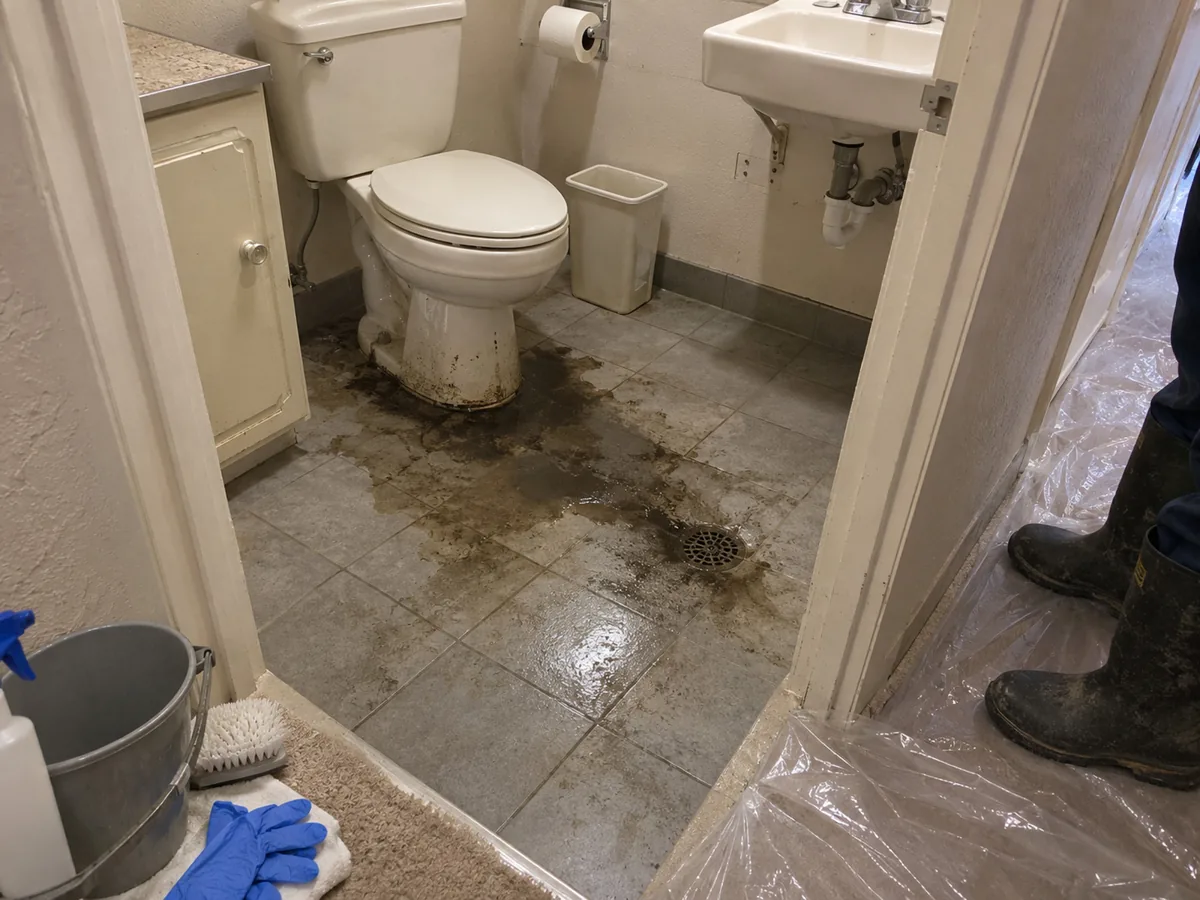
Sewage backup cleanup
Discuss your Clyde Hill property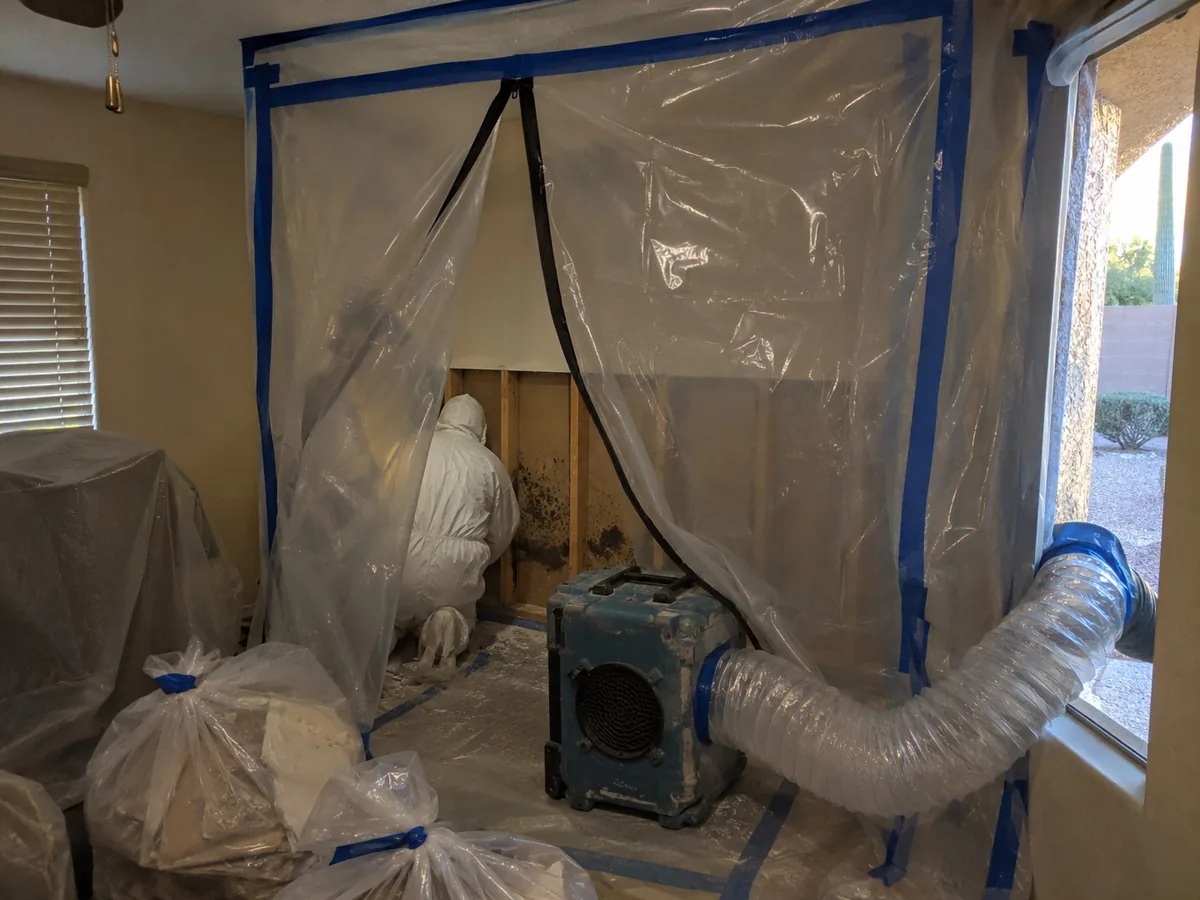
Mold and moisture remediation
Discuss your Clyde Hill property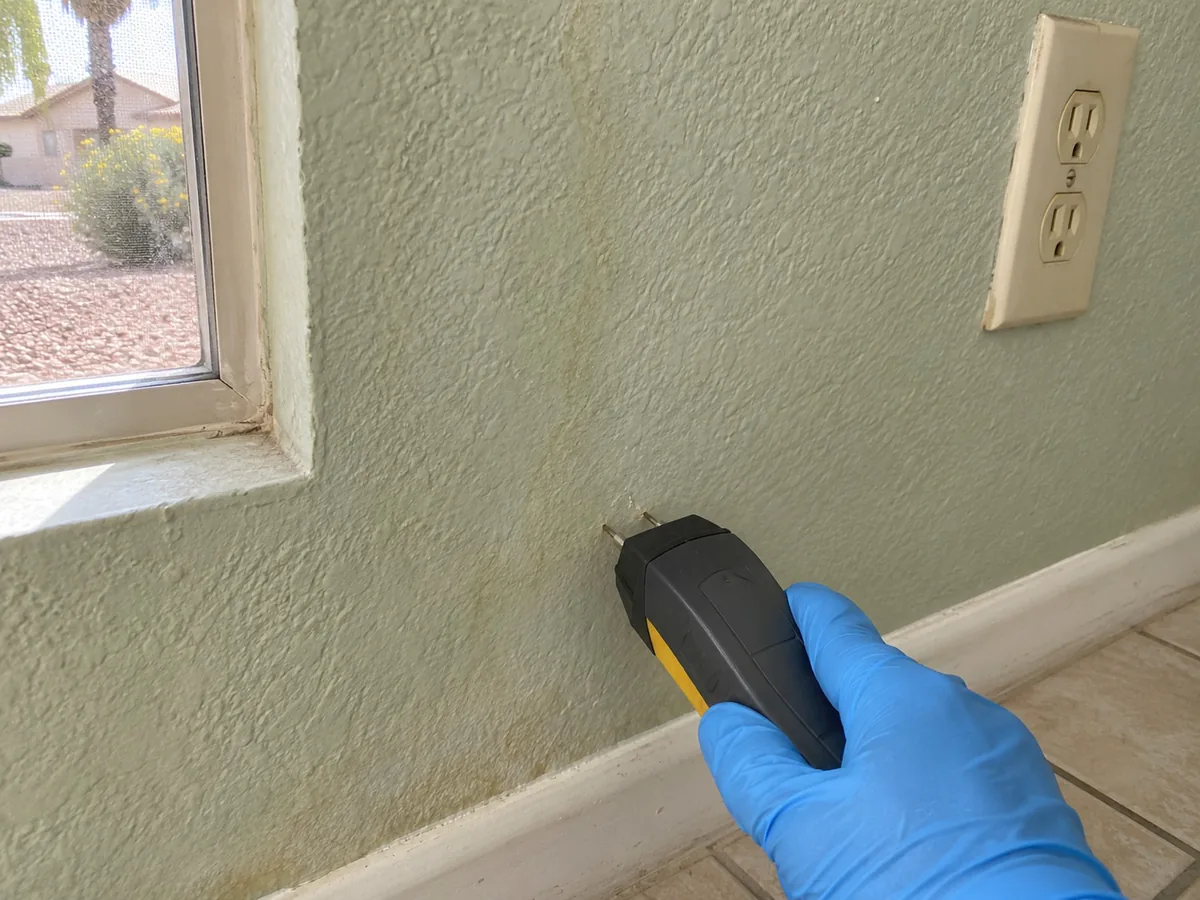
Moisture assessment
Discuss your Clyde Hill property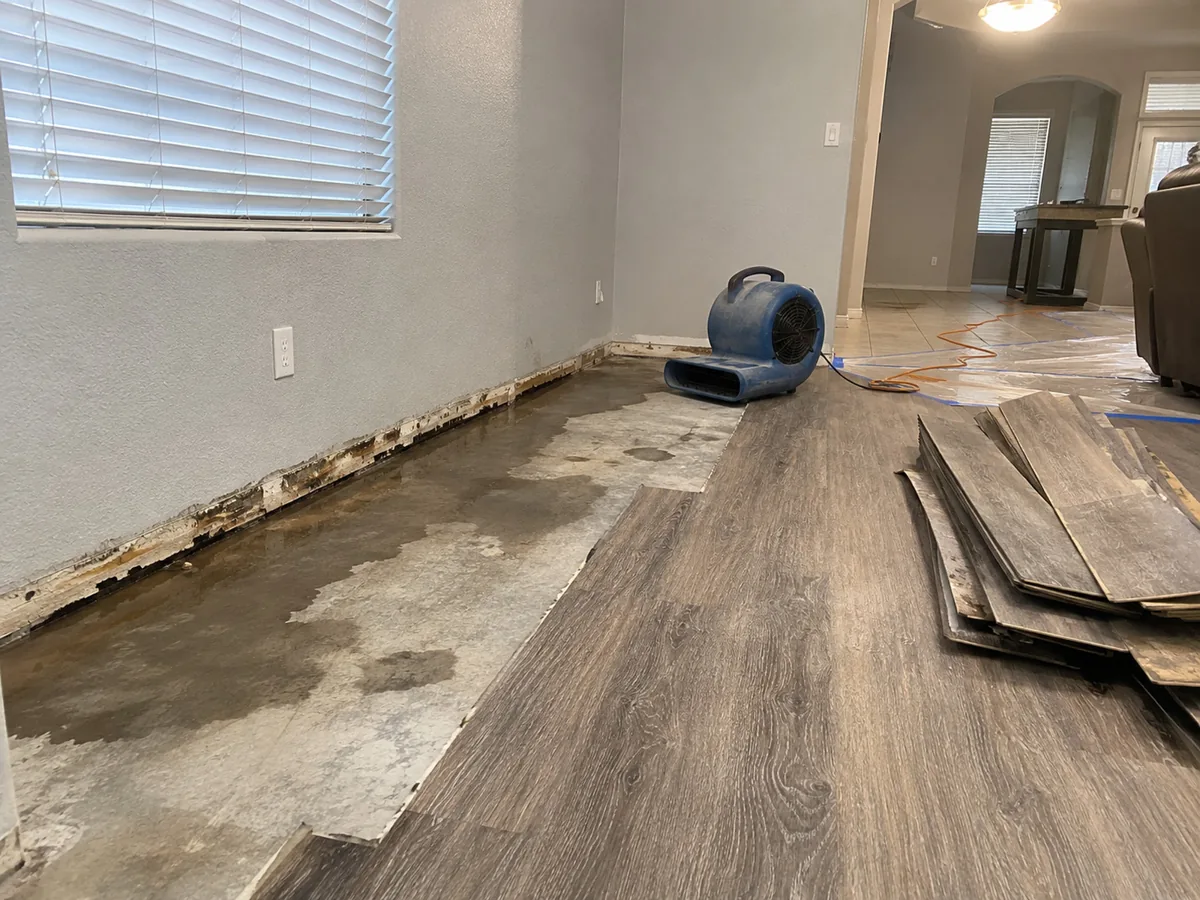
Floor and subfloor drying
Discuss your Clyde Hill property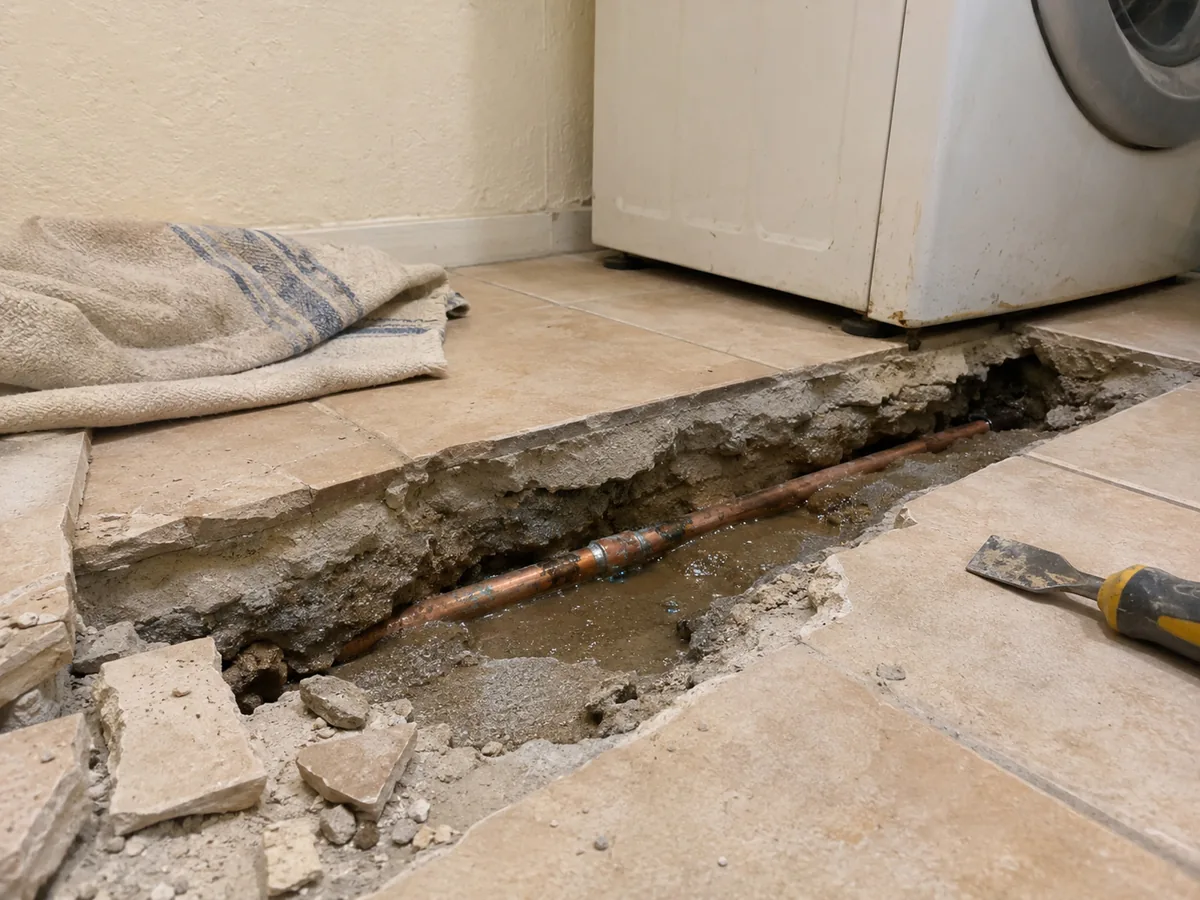
Slab leak water damage
Discuss your Clyde Hill property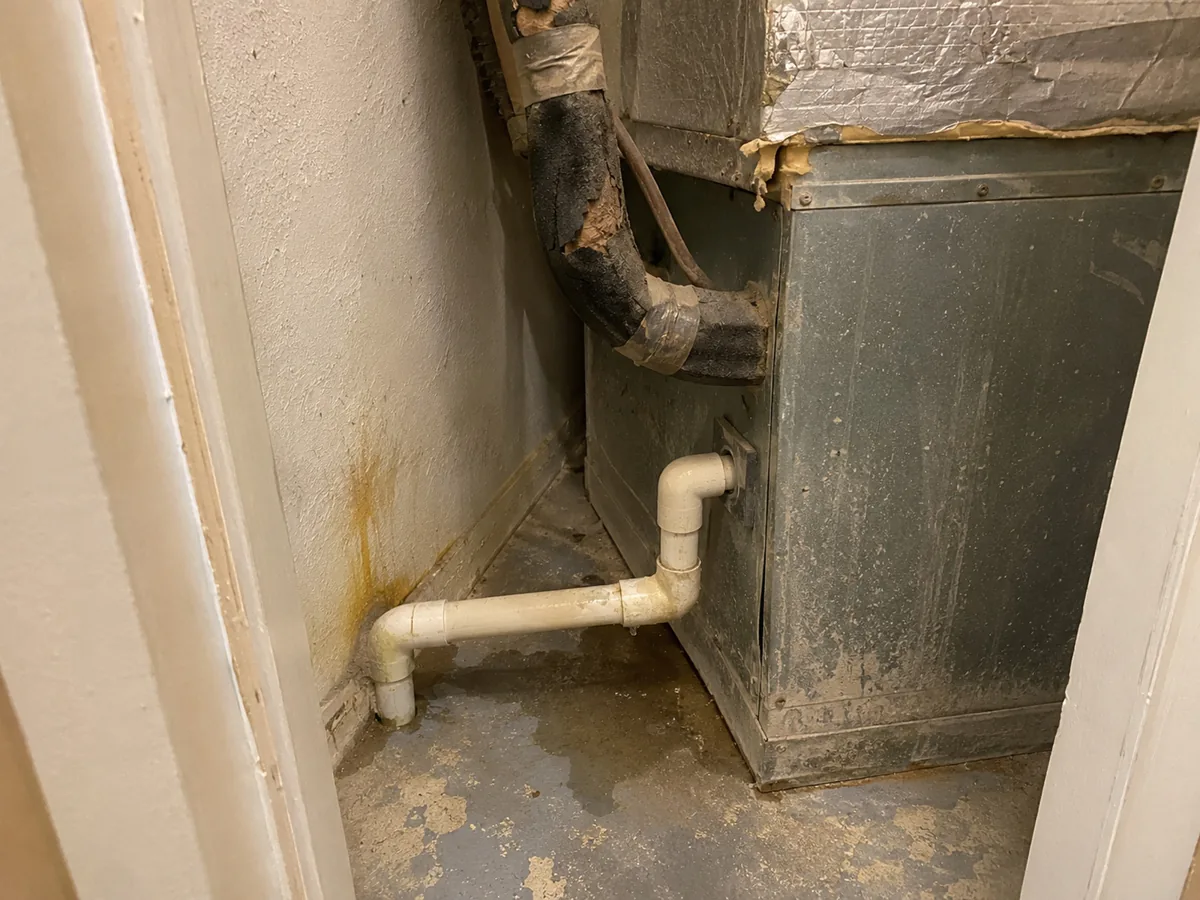
HVAC condensate leak cleanup
Discuss your Clyde Hill property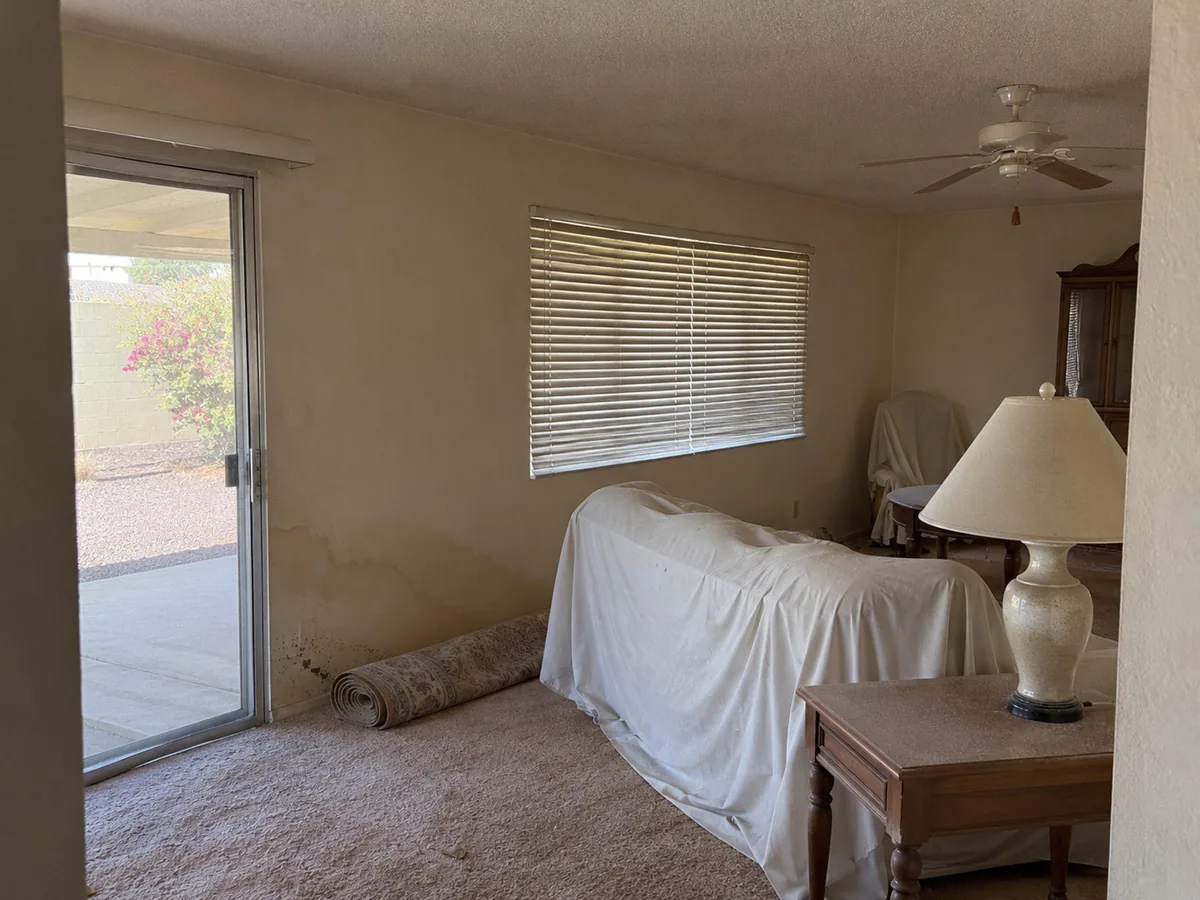
Unoccupied home water damage
Discuss your Clyde Hill propertyWhat to check at your Clyde Hill property
If runoff is involved, photograph the route from a safe position and note whether it starts in a public right of way or within the lot. Drying inside the home may be necessary while the underlying drainage question is addressed separately. Do not redirect water onto neighboring land as a temporary fix.
Outdoor water route
Record where runoff first enters the property and where it collects.
Wet wall assemblies
Include baseboards and adjacent rooms in the assessment.
Access and staging
Mention gated access, narrow driveways, and occupied rooms.
Drainage modifications
Check with city staff and the appropriate design professional before changes.
Restoration options for Clyde Hill
The source and the affected assembly guide the plan. Review the relevant service before calling, and tell us if the water is contaminated or the start time is unknown.
Clyde Hill water damage starts with identifying the route
Tell Mercer Island Resto whether the water came from a fixture, a drain, or outdoors, and whether the source is still active. If you cannot tell, describe where it appeared first. A wet baseboard along an exterior wall and a wet cabinet below a sink may require different source investigations even when both affect the same flooring.
Keep the discovery time and last known dry condition separate if the loss was found after time away. Mention earlier repairs and any drainage changes you already know about. A useful assessment follows current evidence while keeping the property history available, rather than assuming the previous cause has returned.
What the public drainage record can tell you
Washington Ecology’s record for Clyde Hill’s 2022 Small Drainage Program identifies work at several public rights of way, including locations near NE 28th Place and NE 17th Street. The record establishes that those specific drainage projects were considered. It does not provide a current inspection of a nearby private drain.
If runoff appears to arrive from a public right of way, record the route from a safe location and report it to the city. If the route starts within the lot, a private drainage investigation may be needed. Both can occur while wet interior materials are being assessed; do not assume one appointment resolves every part of the event.
Avoid temporary rerouting that simply sends water onto an adjoining lot or an unsuitable outlet. Permanent grading and connection changes should be reviewed with the relevant city staff and professional. The purpose is to correct the entry route without moving the problem elsewhere.
Check adjoining wall and floor assemblies
Water can reach the reverse side of a wall or continue beneath a floor without leaving a large puddle. A wall assessment should include its base, nearby finishes, and the room on the other side where accessible. Ask which locations were compared and whether the construction changes along the route.
A floor extending through several rooms can make the visible wet patch a poor guide to the repair boundary. The finish, underlayment, and subfloor need separate consideration. Discuss whether retention is practical, what selective access would establish, and how any resulting opening will be repaired.
Plan equipment access before work begins
Tell us about gated access, driveway restrictions, stairs, and rooms that remain occupied. The route for equipment should protect unaffected finishes and keep exits clear. If materials need to be removed, agree on staging and the route out before the work area is dismantled.
During drying, ask who checks equipment and how you will receive progress information. Before reconstruction, review what was measured and what remains inaccessible. Keep the source repair, drying information, and finish requirements together so the repair contractor has a usable record rather than only photographs of the original wet room.
Clyde Hill water damage symptoms and next steps
| What happened | Information to gather | Next discussion |
|---|---|---|
| Runoff from a public right of way | Document safely and notify city staff | Separate public drainage and interior work |
| Wet baseboard beside a cabinet | Trace adjoining wall and floor locations | Check concealed spread and material condition |
| Damage found after time away | Record last known dry and discovery separately | Assess duration uncertainty and access |
Planning restoration in an occupied Clyde Hill home
Tell the restoration provider which rooms are occupied, how people normally move through the house, and whether an adjoining unit or shared corridor is involved. Equipment needs safe electrical access and clear paths. Discuss where hoses and cords will run before they cross a doorway or the route to a bathroom.
Ask which spaces can remain in use and what happens to belongings in the work area. Moving a wet item into a clean bedroom can transfer moisture or contamination. Valuable furniture, electronics, papers, and specialty finishes may need separate advice. Record their condition before movement where that can be done without entering a hazardous area.
If equipment is left running, get instructions on what to leave in place, who to call if a unit stops, and when the next inspection is expected. Do not move a dehumidifier or redirect airflow simply because the surface feels dry. Discuss noise, access times, and any need to keep a room isolated at the start of the job.
What to ask for in a Clyde Hill restoration work scope
Ask for a description of the affected rooms and the materials included in the work. A room name alone is not enough when water has reached a cabinet cavity, an adjoining closet, or the ceiling below. Mark the boundaries together and ask what would cause the scope to change after work starts.
The estimate should distinguish water removal, cleaning, equipment, material removal, and reconstruction where those items apply. Ask whether monitoring visits are included and how additional findings are approved. A price based only on square footage can miss the difference between accessible tile and several wet layers beneath an installed floor.
Keep a copy of the agreed scope alongside discovery photographs, the source repair report, and later invoices. These records help you follow the job and answer questions from a property manager or insurer. Your insurer determines coverage under the policy; the cleanup contractor’s assessment documents conditions and proposed work.
From water damage cleanup to repair in Clyde Hill
- Control the sourceRepair the leak or address the entry route. Confirm the area is safe.
- Remove and cleanExtract accessible water and determine which materials can remain.
- Dry and measureTrack the affected assembly, not just room humidity.
- Prepare for repairReview remaining moisture, damage, access, and finish requirements.
These stages can overlap. A plumber may repair a supply line while a separate restoration scope addresses wet flooring. Rebuilding should follow the condition of the materials rather than a date chosen before the damage was inspected.
Map of Clyde Hill, WA
View Clyde Hill and the surrounding streets. Call with your property location to discuss access and restoration needs.
Open Clyde Hill in Google MapsCONTACT MERCER ISLAND RESTO
Contact us about water damage in Clyde Hill
Tell us what happened, which rooms are wet, and whether the source has stopped.
For active water damage, call(564) 777-0869
Monday through Friday, 8:00 AM to 7:00 PM
Emergency service: 24 hours
For a non-urgent enquiry, complete the form to prepare an email. Your email app opens with the details; send the draft there to contact us.
USEFUL ANSWERS
Clyde Hill water damage restoration FAQs
Does public drainage work repair water damage inside a home?
Public infrastructure work and private building restoration have different scopes. Report suspected public drainage failures to the city and arrange separate assessment of wet indoor materials.
Who should investigate runoff from a Clyde Hill public right of way?
Document the route safely and report the concern to the city. Arrange assessment of affected interior materials separately. Public infrastructure investigation and private restoration have different responsibilities.
What should I do if my Clyde Hill leak date is unknown?
Record the discovery time and last known dry condition separately. Share any caretaker visits or previous photographs. An honest time range is more useful than an exact date that has not been established.
Can water damage continue behind a Clyde Hill wall base?
Moisture may extend to adjoining rooms or concealed floor layers. Tell the assessor which walls and finishes share the observed route and ask which locations can be inspected directly.
What should a Clyde Hill restoration scope include?
Look for the affected rooms, materials, proposed removal or cleaning, drying and monitoring, and reconstruction responsibilities. Ask how concealed findings and changes to the scope will be documented and approved.