A wet wall or floor deserves a measured assessment before finishes are removed. For Medina properties, tell us about the affected materials, the apparent water source, and any access arrangements we should know.
MEDINA · LOCAL CONTEXT
Tracing water damage in Medina
Medina explains that runoff from roofs and paved surfaces carries pollutants downstream, and that most stormwater is untreated even when it enters a street drain.
The city’s stormwater program includes facility inspections and links to private stormwater maintenance information. Interior cleanup water should not be treated as ordinary rain runoff or discharged into street drains without proper direction.
RESTORATION SERVICES IN MEDINA, WA
Local Water Damage Restoration Services in Medina, WA
Choose the type of damage to jump to the phone and contact section on this page.
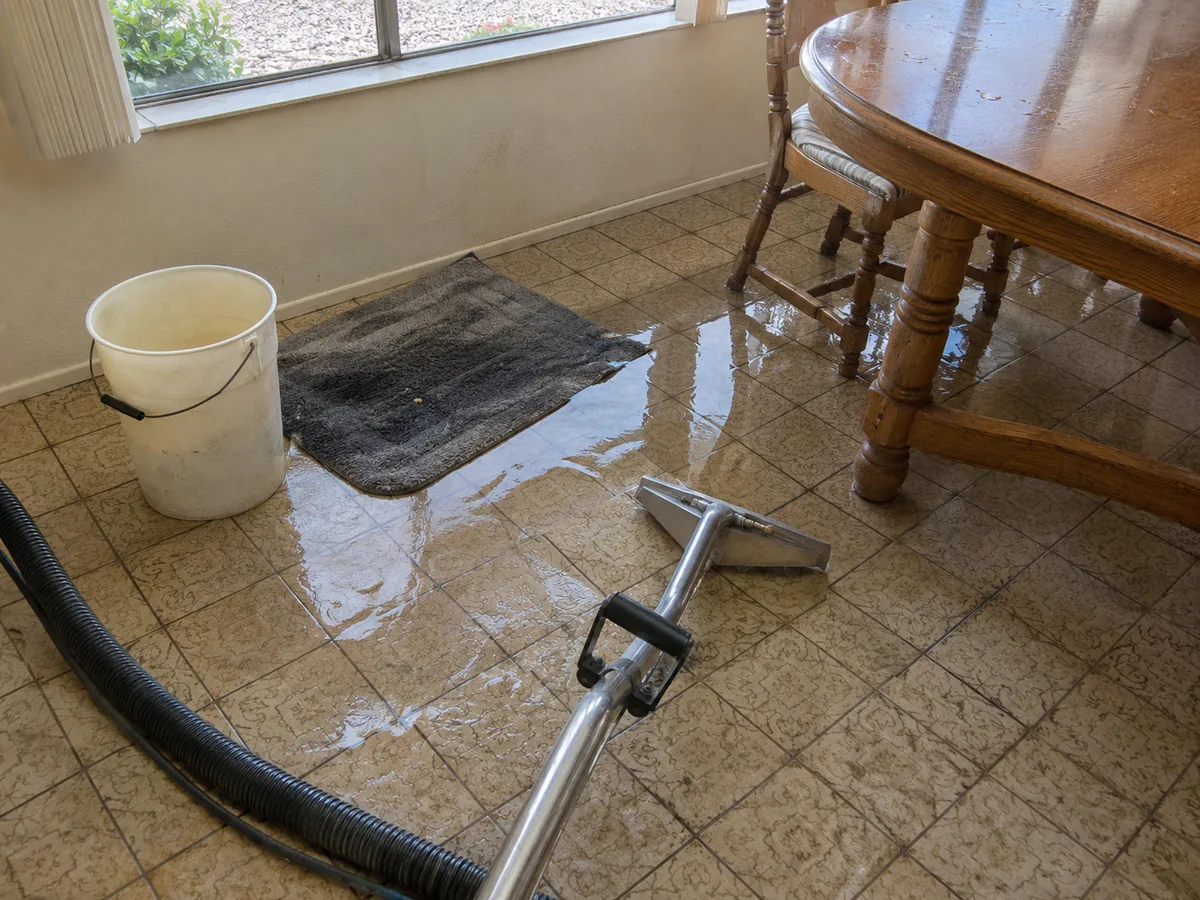
Water extraction
Discuss your Medina property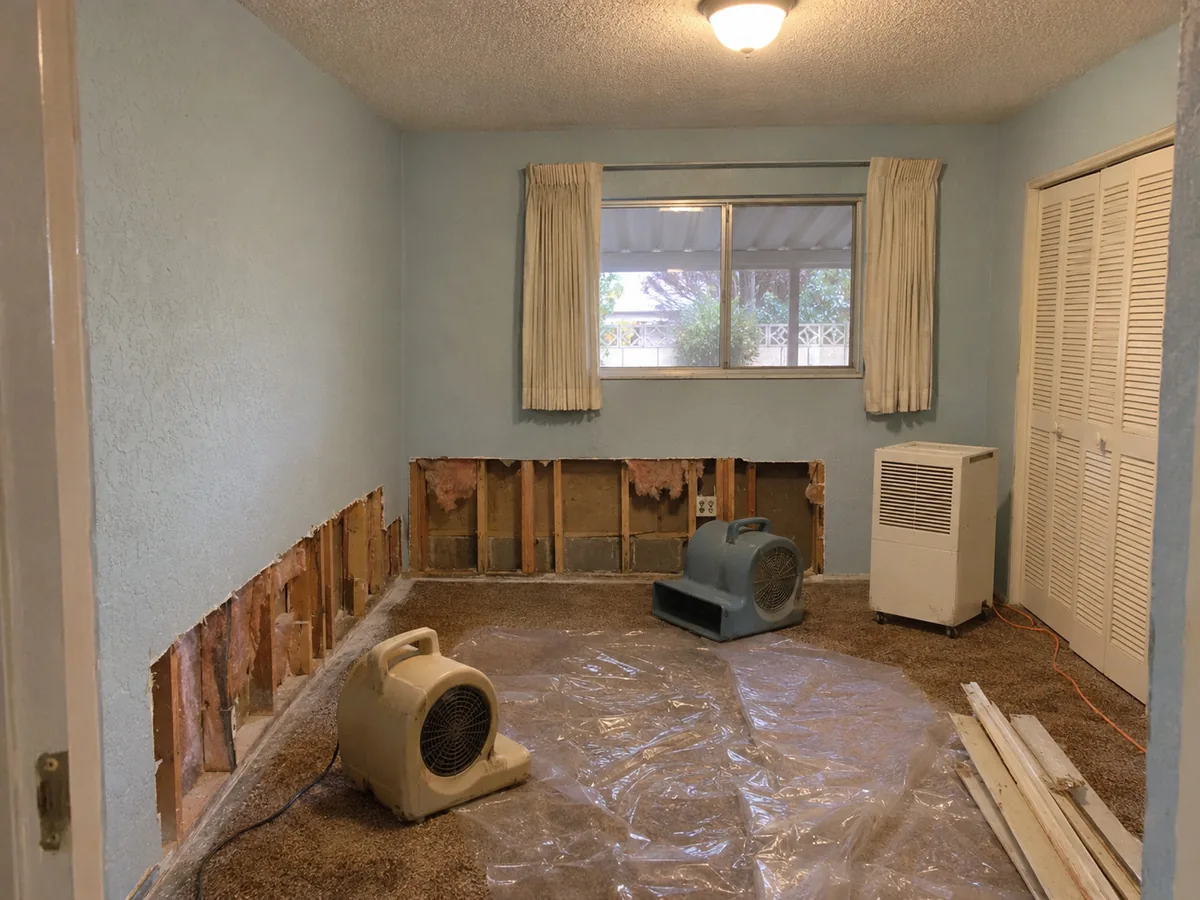
Structural drying
Discuss your Medina property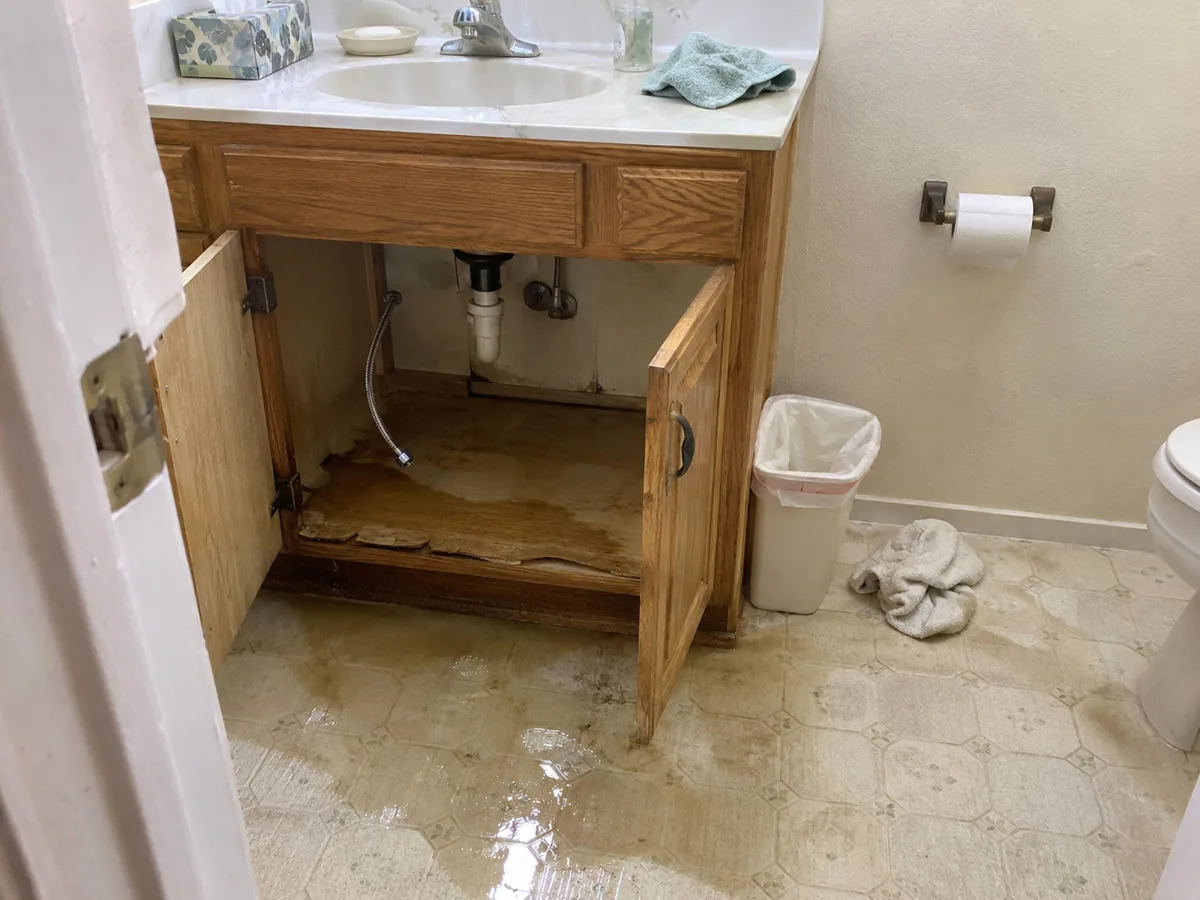
Burst pipe cleanup
Discuss your Medina property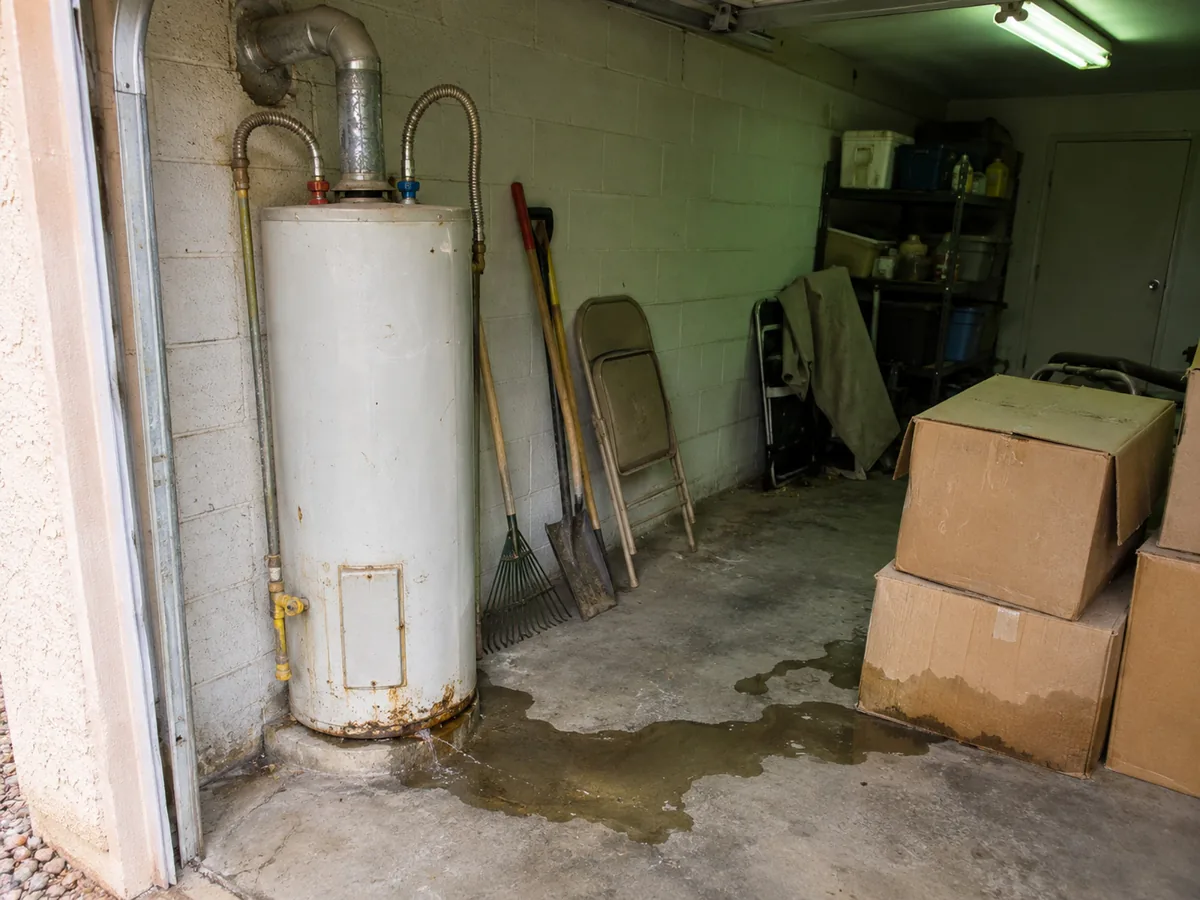
Water heater leak cleanup
Discuss your Medina property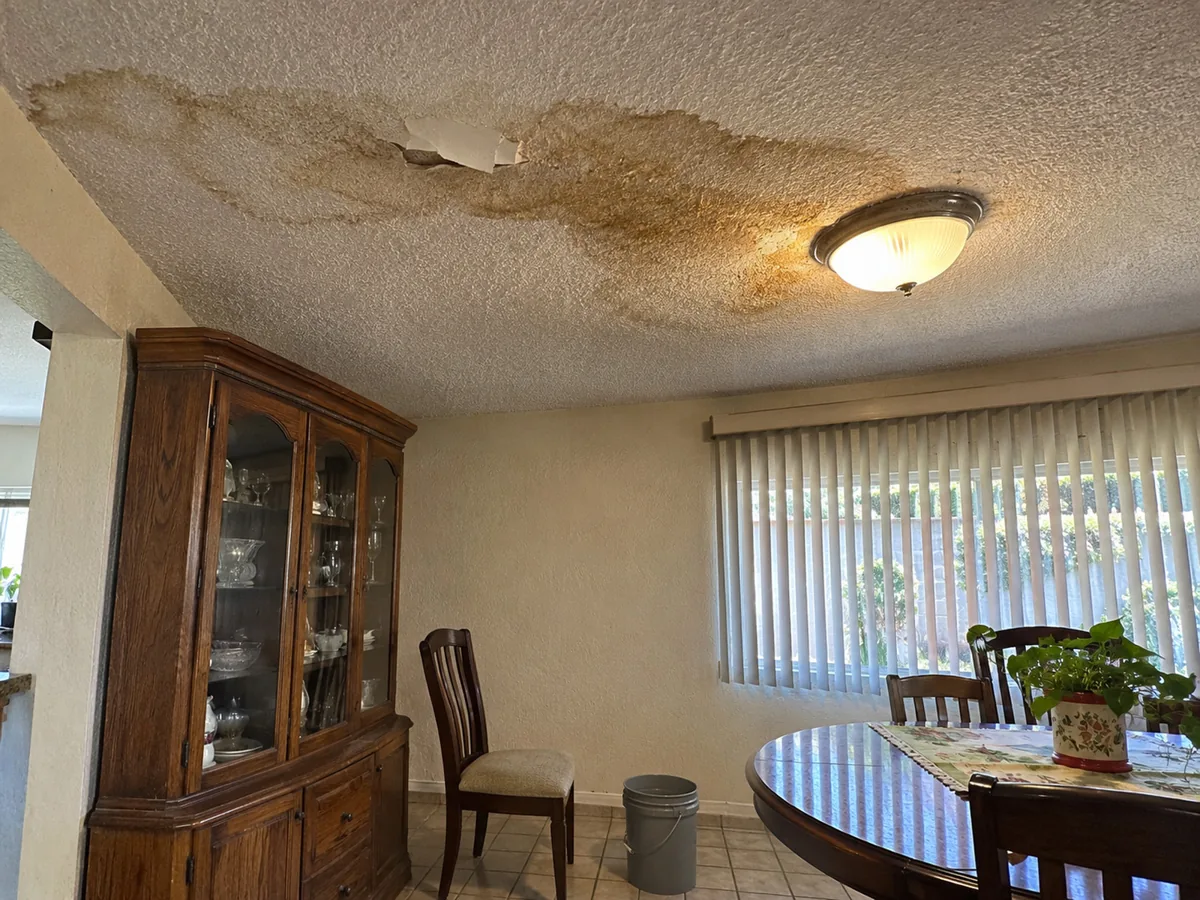
Roof and ceiling leak damage
Discuss your Medina property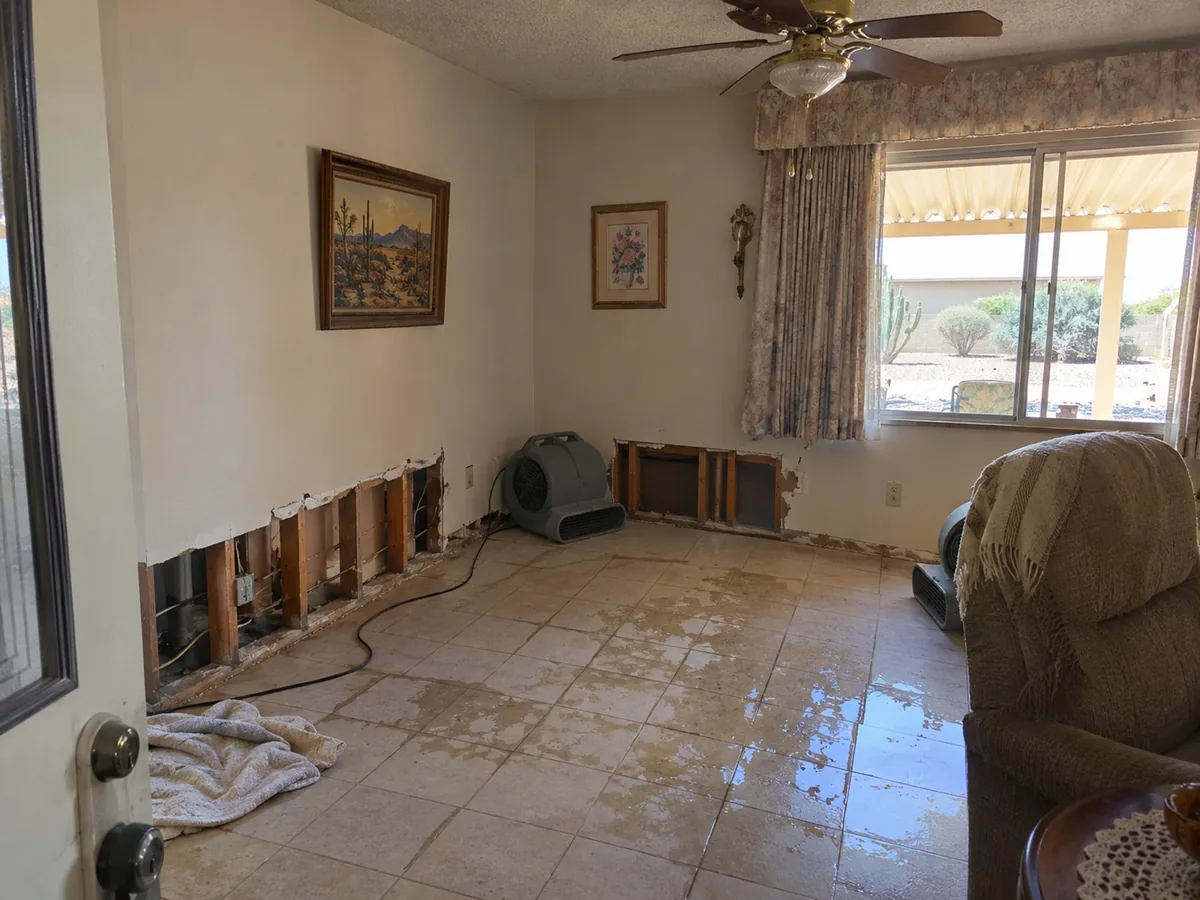
Storm water damage
Discuss your Medina property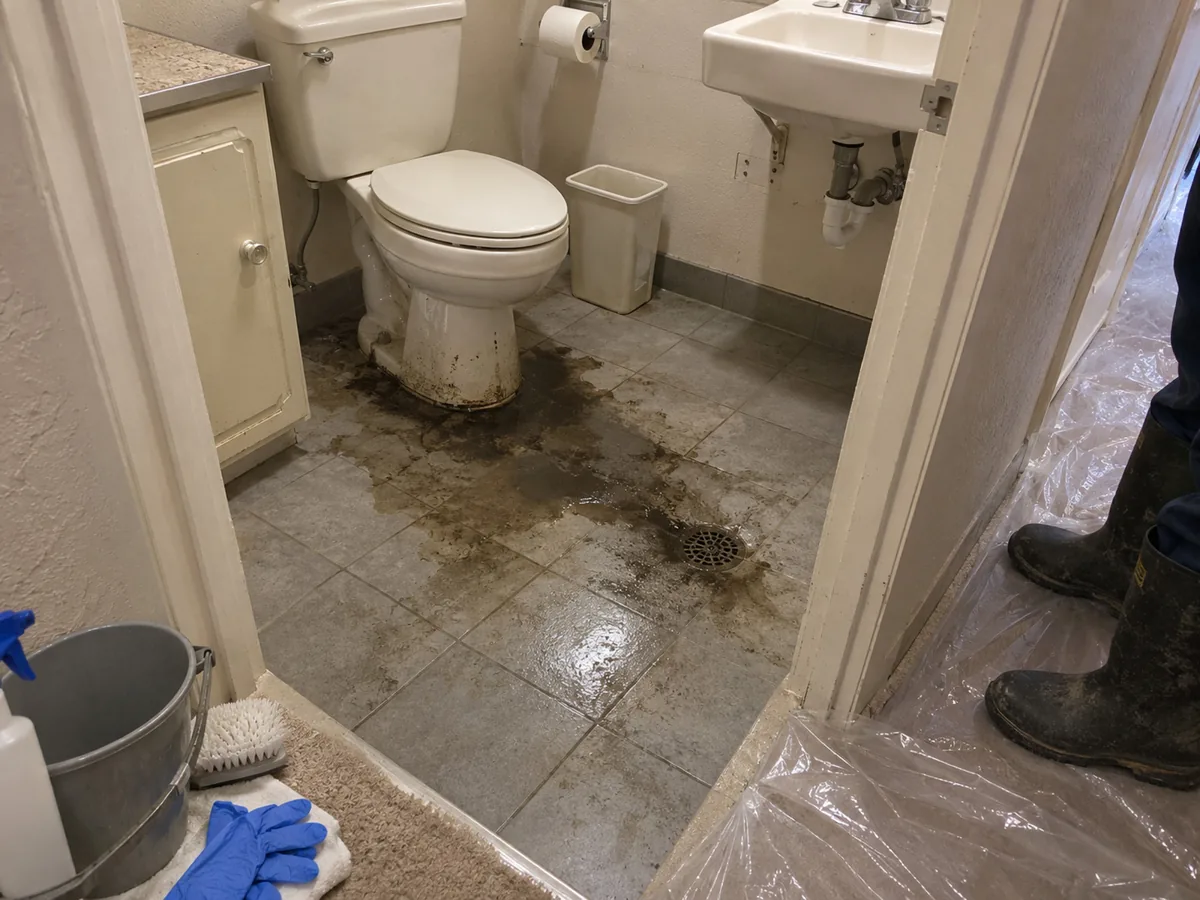
Sewage backup cleanup
Discuss your Medina property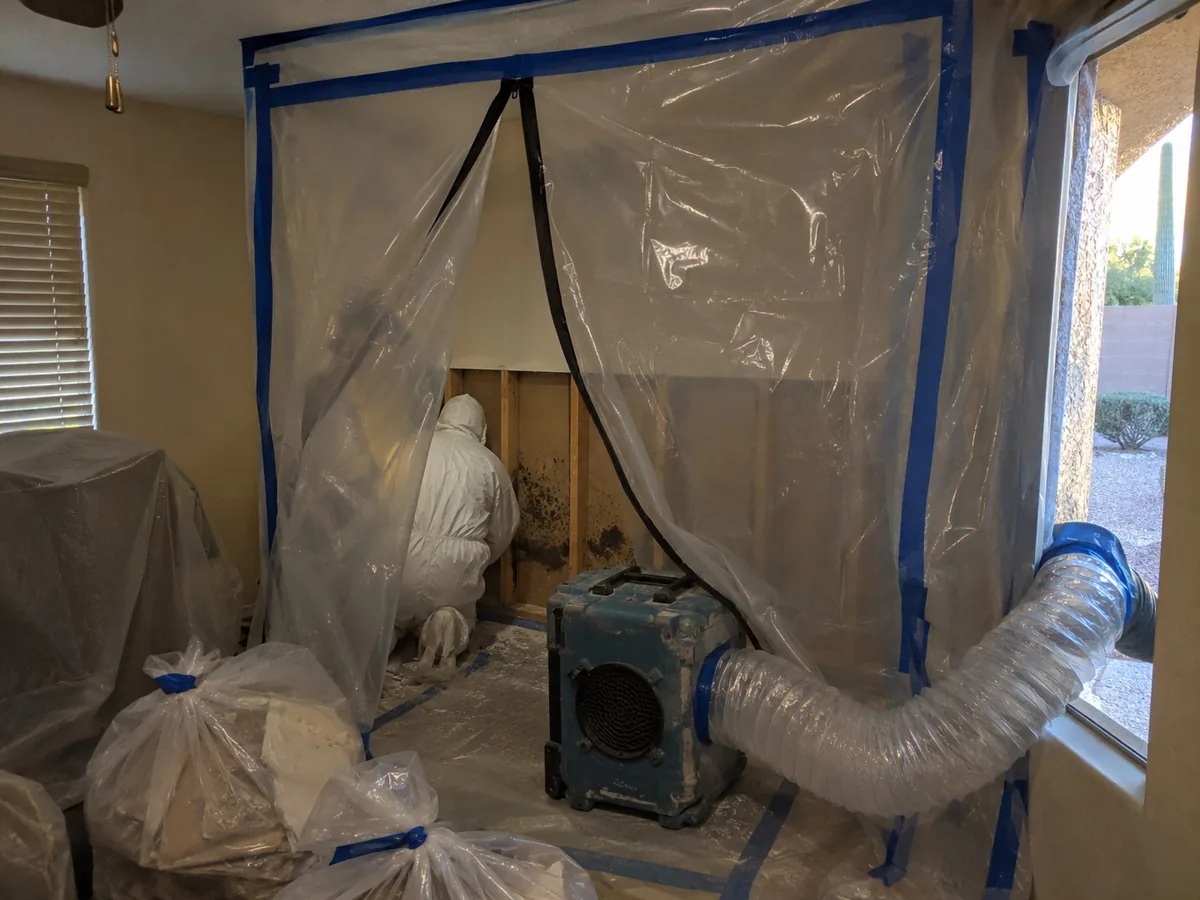
Mold and moisture remediation
Discuss your Medina property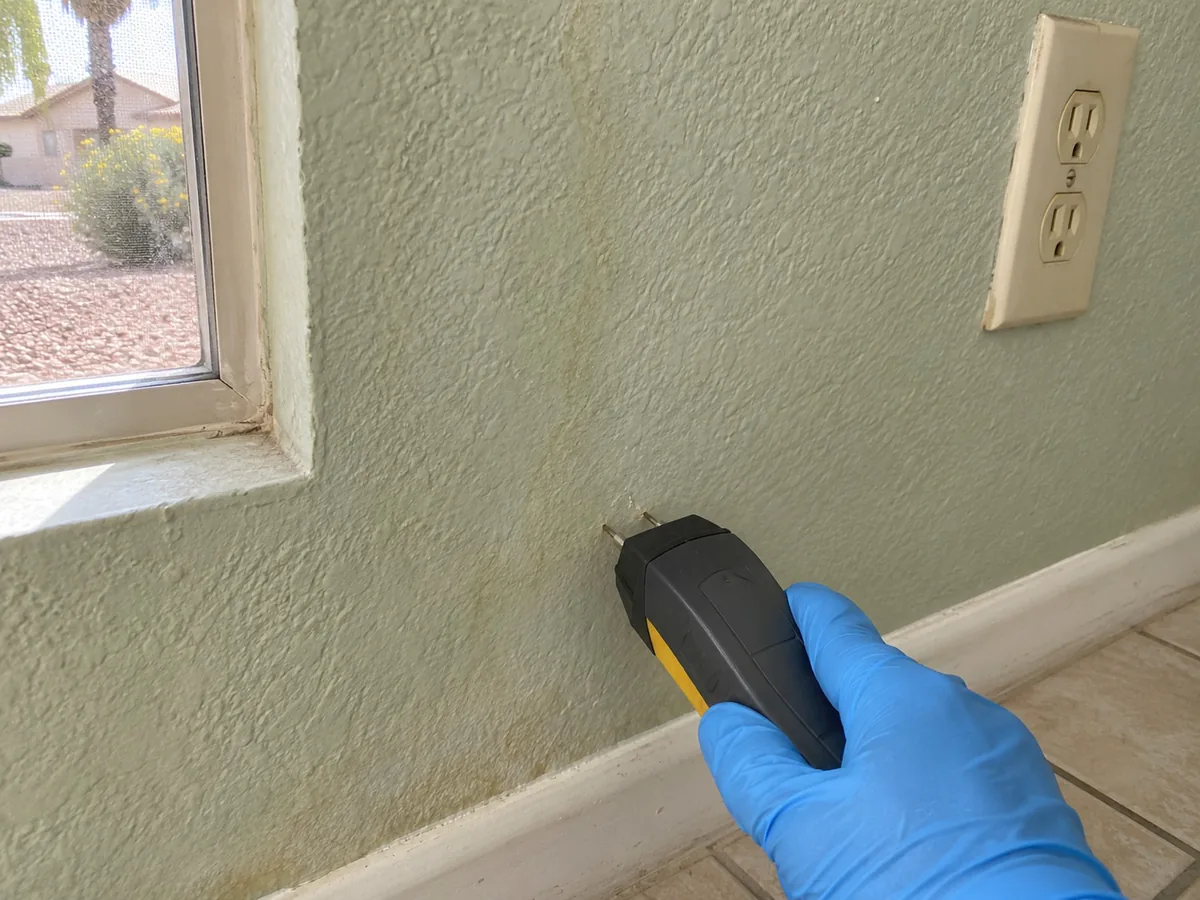
Moisture assessment
Discuss your Medina property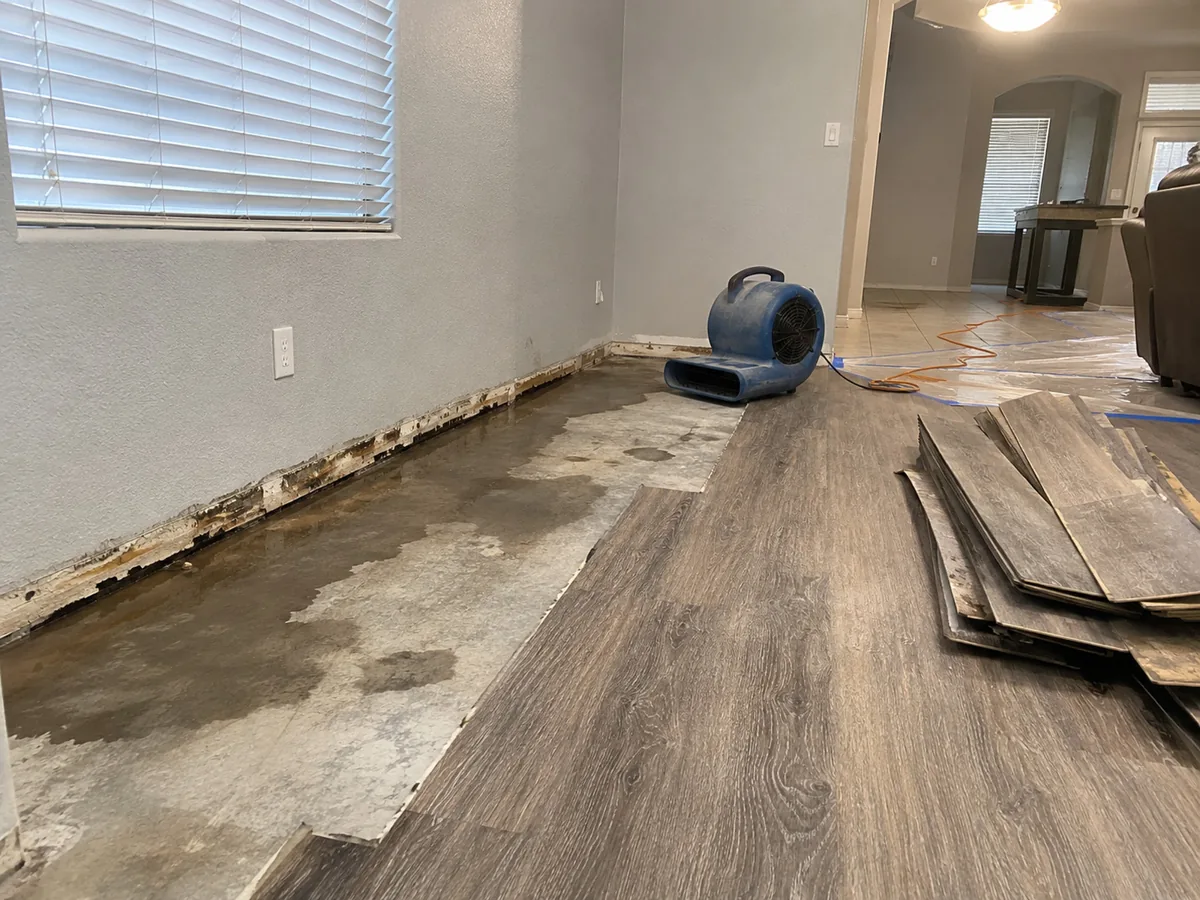
Floor and subfloor drying
Discuss your Medina property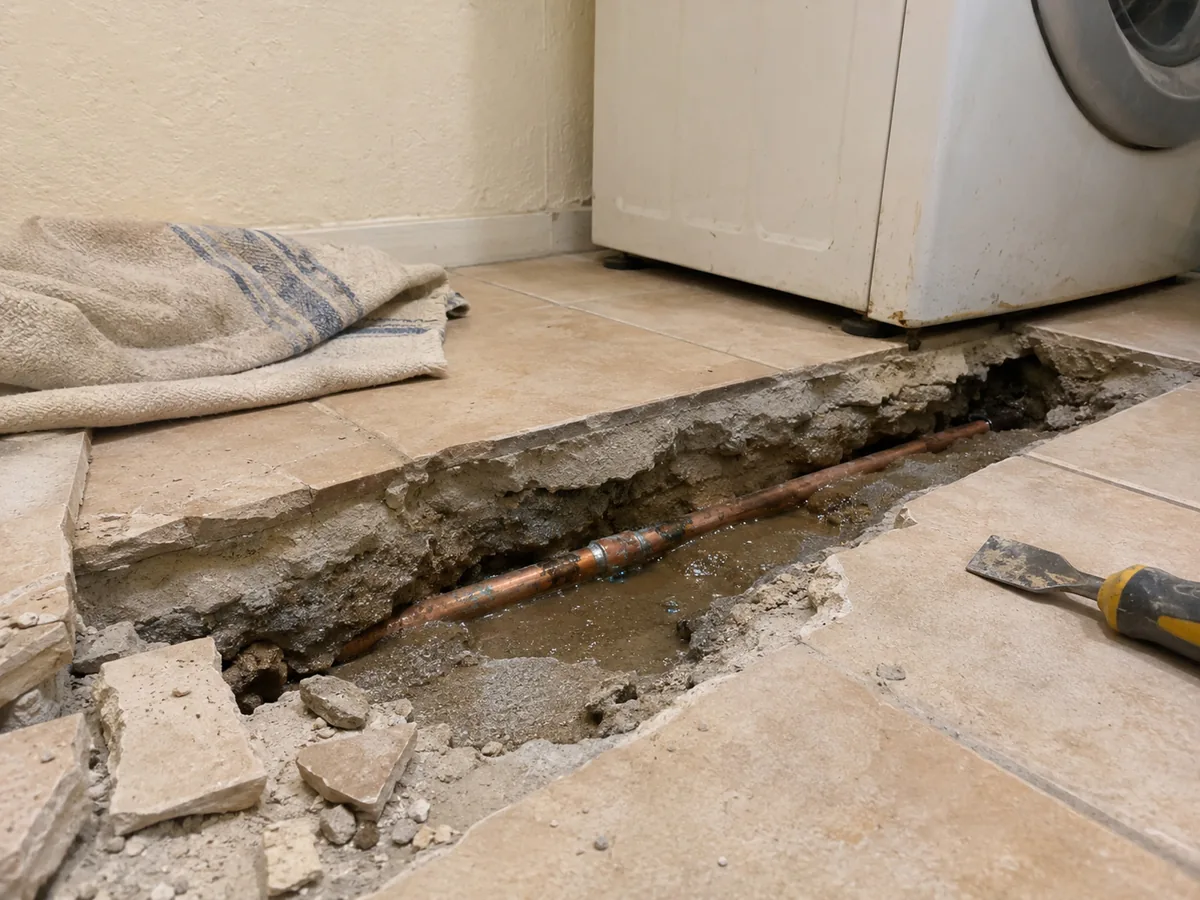
Slab leak water damage
Discuss your Medina property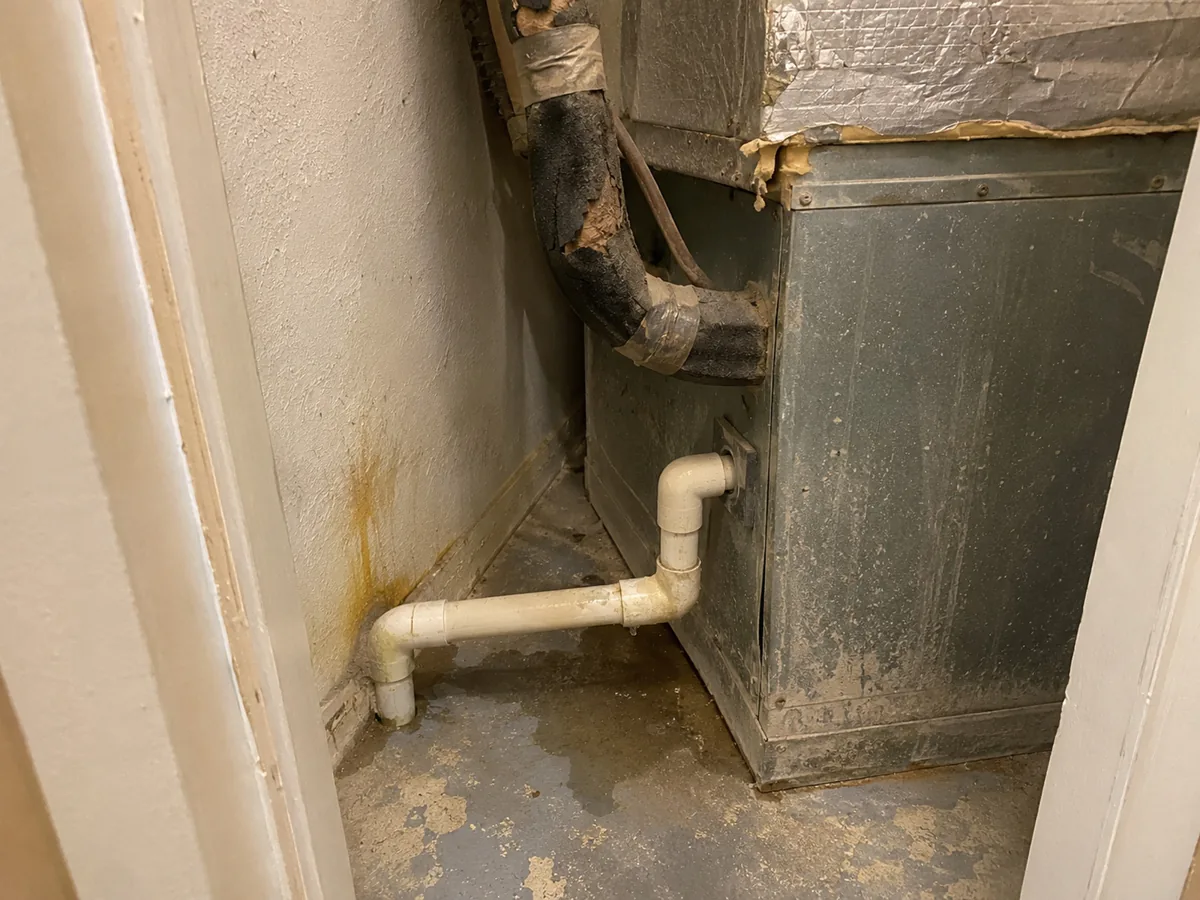
HVAC condensate leak cleanup
Discuss your Medina property
Unoccupied home water damage
Discuss your Medina propertyWhat to check at your Medina property
If an outside drain is overflowing, document it without opening covers or entering moving water. Indoors, keep a record of expensive or sensitive finishes before cleanup. Material type matters: stone, wood, underlayment, and wall assemblies do not all respond to moisture in the same way.
Specialty finishes
Identify wood species or finish information if already available.
Concealed leaks
Record meter changes, visible stains, and the history of the problem.
Private drainage
Keep maintenance records and any relevant drainage plans accessible.
Cleanup disposal
Discuss appropriate containment and disposal before contaminated water is removed.
Restoration options for Medina
The source and the affected assembly guide the plan. Review the relevant service before calling, and tell us if the water is contaminated or the start time is unknown.
Medina water damage needs an assembly-by-assembly assessment
A leaking fixture can wet a cabinet base, a finished floor, and the lower wall within the same room. Those parts may need different restoration decisions. Tell us what is wet and what materials are present if you already know, but there is no need to dismantle the installation to identify them before calling.
For a floor or built-in finish you hope to retain, ask what needs to be checked beneath or behind it. Appearance alone does not establish the condition of the backing or substrate. Early agreement on inspection access can help you understand why a small opening may answer a useful question, or why a damaged panel may need replacement.
Medina’s stormwater system is not a cleanup disposal route
The City of Medina explains that most runoff is untreated even when it enters a street drain. Its stormwater program links to inspection and maintenance of private facilities. That distinction matters during a water loss: water removed from a building may contain material that ordinary rain runoff does not.
Discuss appropriate handling and disposal before extraction, especially when the source is a drain backup or outdoor floodwater. Do not direct cleanup water to an accessible street inlet merely because it is nearby. The assessment should account for the source, contamination, and the practical route used to remove water from the property.
If outside drainage appears involved, keep existing maintenance records or a drainage plan available. These can help the relevant specialist distinguish an inlet problem from a connection or discharge issue. Interior restoration should proceed with attention to the wet building while the cause of the outdoor route is addressed separately.
Protect finishes while investigating concealed moisture
The assessment may need to compare areas of the same material and look at accessible edges rather than taking one reading in the middle of the room. Tell the assessor about unusual finishes, recent installation, or known restrictions from the product supplier. These details can affect the inspection and later repair.
Where selective opening is proposed, ask what it is expected to establish and how it will be repaired. A cabinet panel, stone transition, or continuous floor can create a wider reinstatement decision than the size of the opening suggests. Agree on that decision before work, including whether a specialist installer needs to be involved.
Coordinate access, contents, and the return to use
Tell us about controlled access, occupied rooms, and the route for equipment. Valuable belongings should be documented and handled according to their condition, not moved indiscriminately into the nearest dry room. If a specialist is needed for a furnishing or finish, clarify that responsibility before the main cleanup proceeds around it.
At the end of drying, review the accessible material conditions and the requirements of the planned repair. Replacing trim or closing a cabinet base can hide an area that still needs attention. Keep source repair records and the agreed drying information available to the trades who will reinstall those finishes.
Medina water damage symptoms and next steps
| What happened | Information to gather | Next discussion |
|---|---|---|
| Water beside a built-in cabinet | Document finish and accessible cavity edges | Discuss selective access and reinstatement |
| Outdoor water entering a room | Record source and avoid unapproved discharge | Assess contamination and disposal needs |
| Wet specialty flooring | Keep product details and existing records | Coordinate drying and the installer’s tests |
Checking drying progress at your Medina property
The useful comparison is between repeat readings at identified locations. Ask which wall, floor layer, or framing member is being checked and whether the instrument setting suits that material. An unexplained number from a handheld meter is less useful than a record that shows the location, method, and change over time.
Room temperature and humidity describe the surrounding air. They do not prove that the center of a thick material or the underside of a floor has dried. A dry surface and a damp concealed layer can exist at the same time. Where readings stop improving, access, equipment placement, or the assumption that the source has stopped may need another look.
Before finishes are reinstalled, review the affected assembly and any product-specific installation requirements with the repair contractor. The target for a replacement flooring system may involve a different test from a quick moisture survey. Avoid treating one meter setting or a fixed number of equipment days as a universal completion test.
What to ask for in a Medina restoration work scope
Ask for a description of the affected rooms and the materials included in the work. A room name alone is not enough when water has reached a cabinet cavity, an adjoining closet, or the ceiling below. Mark the boundaries together and ask what would cause the scope to change after work starts.
The estimate should distinguish water removal, cleaning, equipment, material removal, and reconstruction where those items apply. Ask whether monitoring visits are included and how additional findings are approved. A price based only on square footage can miss the difference between accessible tile and several wet layers beneath an installed floor.
Keep a copy of the agreed scope alongside discovery photographs, the source repair report, and later invoices. These records help you follow the job and answer questions from a property manager or insurer. Your insurer determines coverage under the policy; the cleanup contractor’s assessment documents conditions and proposed work.
From water damage cleanup to repair in Medina
- Control the sourceRepair the leak or address the entry route. Confirm the area is safe.
- Remove and cleanExtract accessible water and determine which materials can remain.
- Dry and measureTrack the affected assembly, not just room humidity.
- Prepare for repairReview remaining moisture, damage, access, and finish requirements.
These stages can overlap. A plumber may repair a supply line while a separate restoration scope addresses wet flooring. Rebuilding should follow the condition of the materials rather than a date chosen before the damage was inspected.
Map of Medina, WA
View Medina and the surrounding streets. Call with your property location to discuss access and restoration needs.
Open Medina in Google MapsCONTACT MERCER ISLAND RESTO
Contact us about water damage in Medina
Tell us what happened, which rooms are wet, and whether the source has stopped.
For active water damage, call(564) 777-0869
Monday through Friday, 8:00 AM to 7:00 PM
Emergency service: 24 hours
For a non-urgent enquiry, complete the form to prepare an email. Your email app opens with the details; send the draft there to contact us.
USEFUL ANSWERS
Medina water damage restoration FAQs
Should water from cleanup go into a Medina street drain?
Do not assume that it can. Medina notes that most stormwater is untreated. The source and contamination of cleanup water determine appropriate handling and disposal.
Can specialty flooring in a Medina home be assessed before removal?
Call with the floor type and any product information you already have. Condition, contamination, and access to wet layers affect whether retention is practical. Discuss the purpose and repair implications of any proposed opening.
What should I share about a Medina private drainage system?
Keep existing plans, maintenance records, and photographs of the observed entry route available. They can help the relevant specialist investigate the source while interior wet materials are assessed.
Can water behind a Medina cabinet remain after the floor feels dry?
Yes. A cabinet base or adjoining wall can conceal moisture. The assessment should identify accessible cavities and explain any limits before the visible floor is treated as the whole affected area.
How should access be arranged for a Medina restoration visit?
Call with your property location, gate or parking restrictions, occupied rooms, and an authorized access contact. Discuss a route that protects unaffected finishes and keeps exits clear.