Rain-related seepage and an indoor plumbing leak can leave similar stains. We help Newcastle property owners organize what happened and discuss the assessment needed before drying or replacing finishes.
NEWCASTLE · LOCAL CONTEXT
Tracing water damage in Newcastle
Newcastle’s Surface Water Management Division identifies Coal Creek, East Lake Washington, and May Creek as the city’s major watersheds. Its work includes public maintenance, private system inspection, and monitoring of waterways including Lake Boren.
A property’s position within a drainage area is useful background for an exterior water investigation. The assessment still needs the actual entry points, drain connections, and damage history of the building.
RESTORATION SERVICES IN NEWCASTLE, WA
Local Water Damage Restoration Services in Newcastle, WA
Choose the type of damage to jump to the phone and contact section on this page.
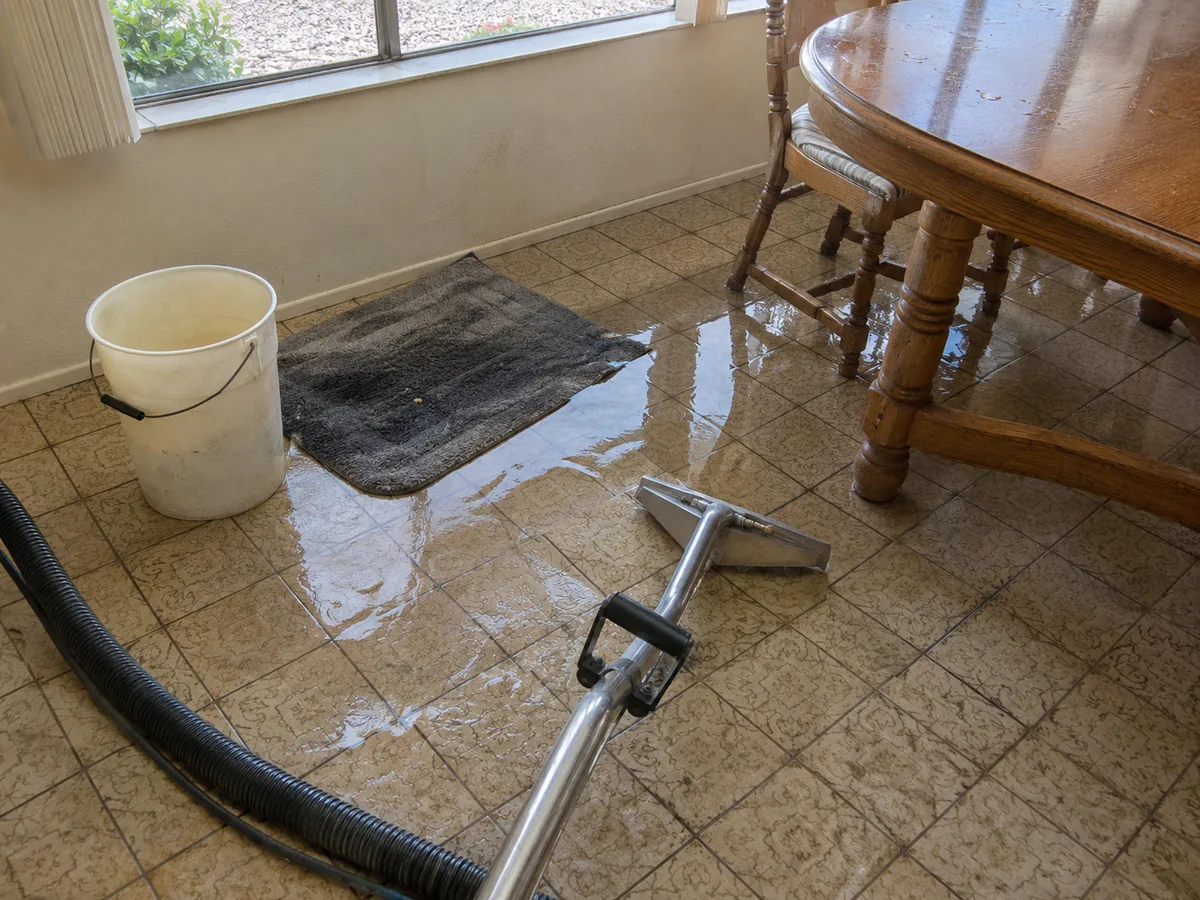
Water extraction
Discuss your Newcastle property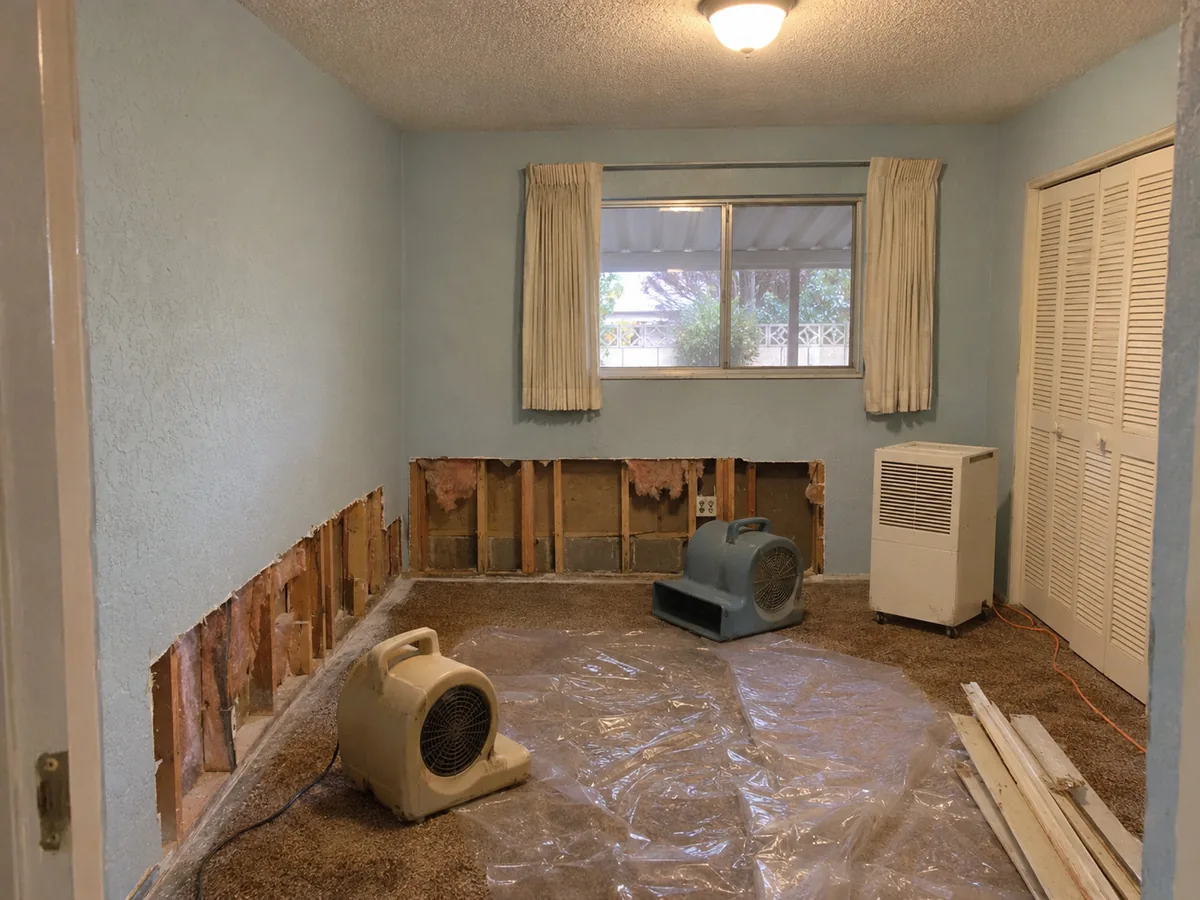
Structural drying
Discuss your Newcastle property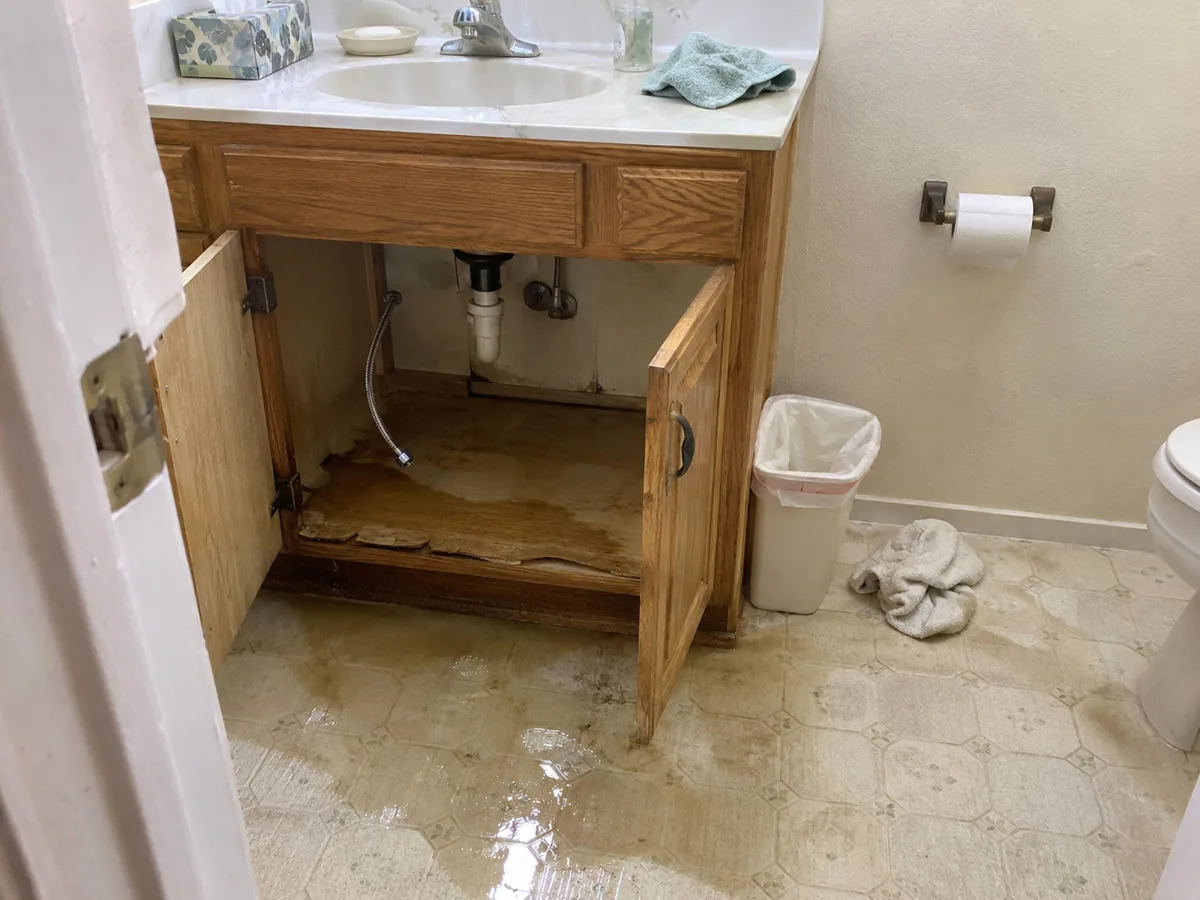
Burst pipe cleanup
Discuss your Newcastle property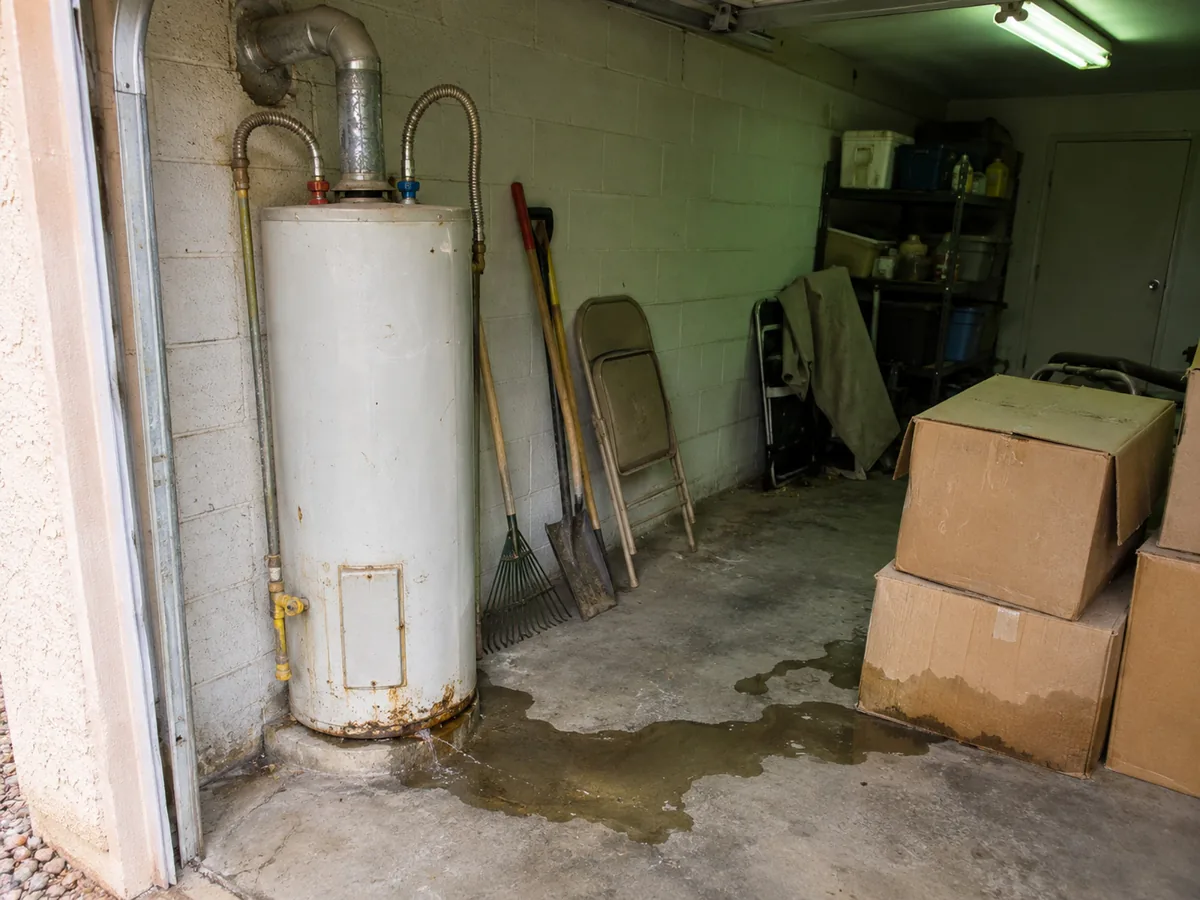
Water heater leak cleanup
Discuss your Newcastle property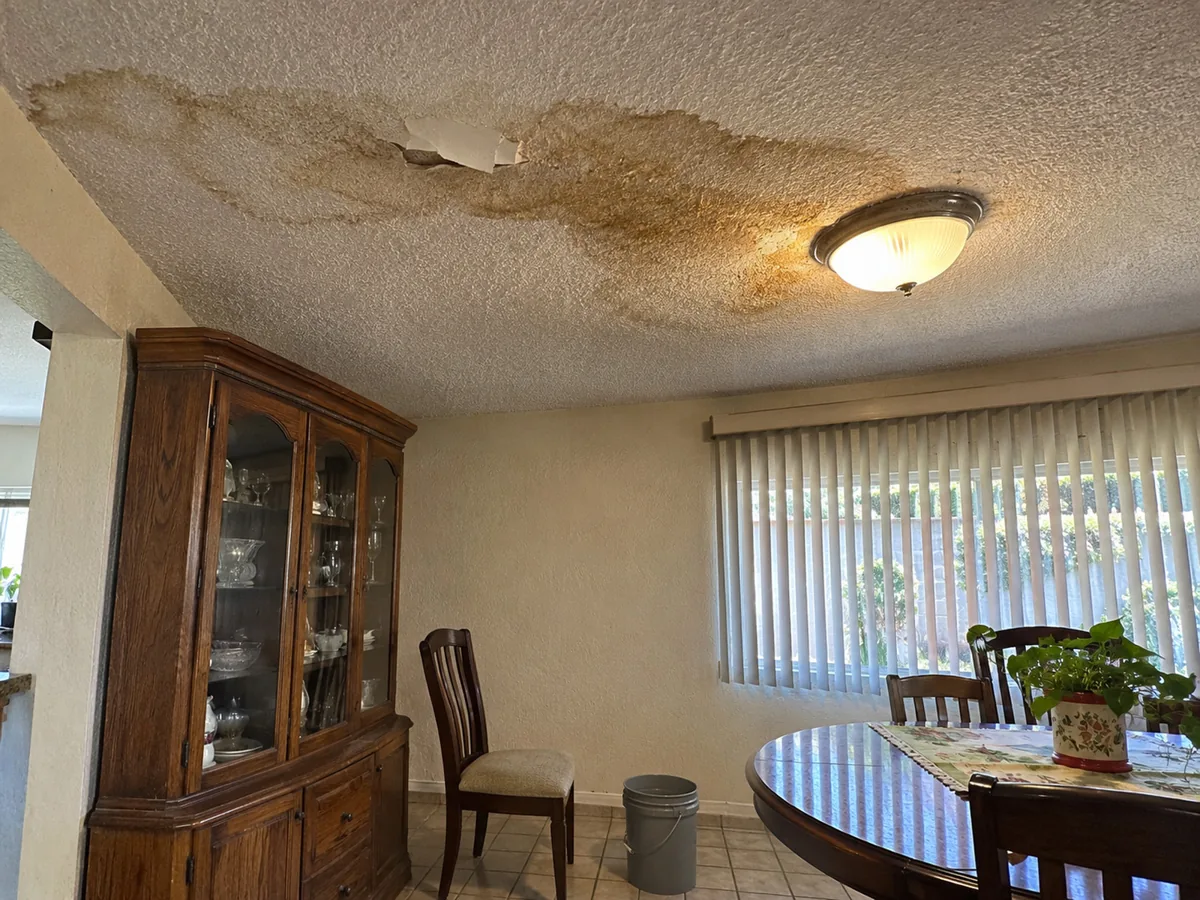
Roof and ceiling leak damage
Discuss your Newcastle property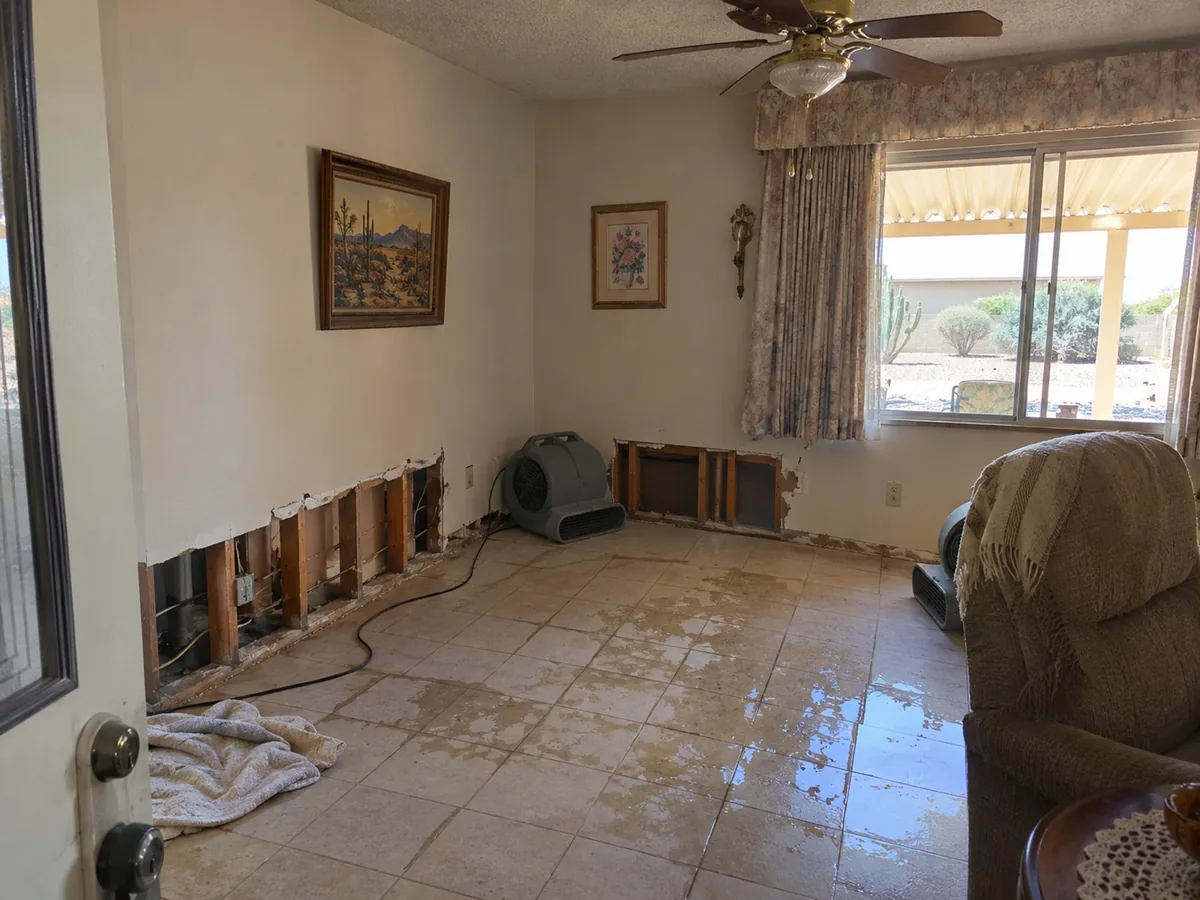
Storm water damage
Discuss your Newcastle property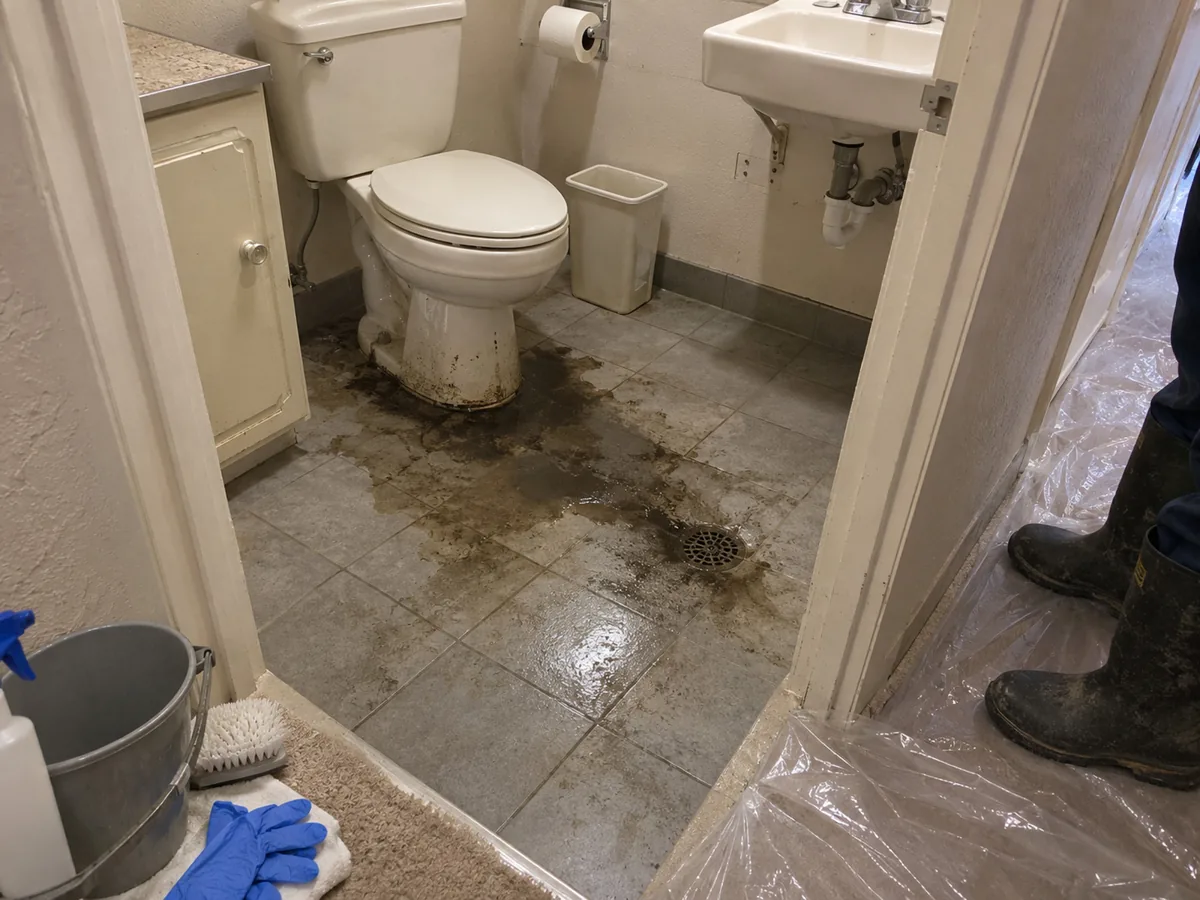
Sewage backup cleanup
Discuss your Newcastle property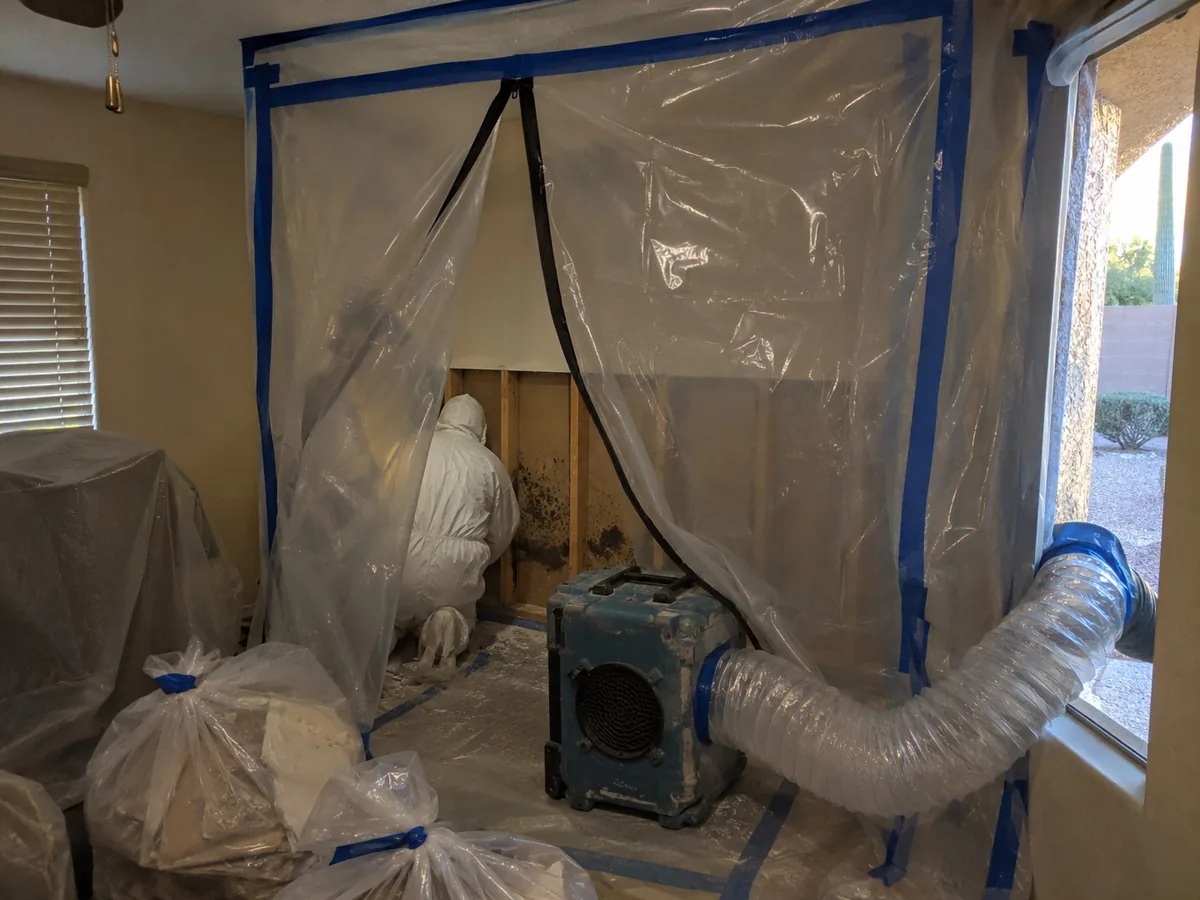
Mold and moisture remediation
Discuss your Newcastle property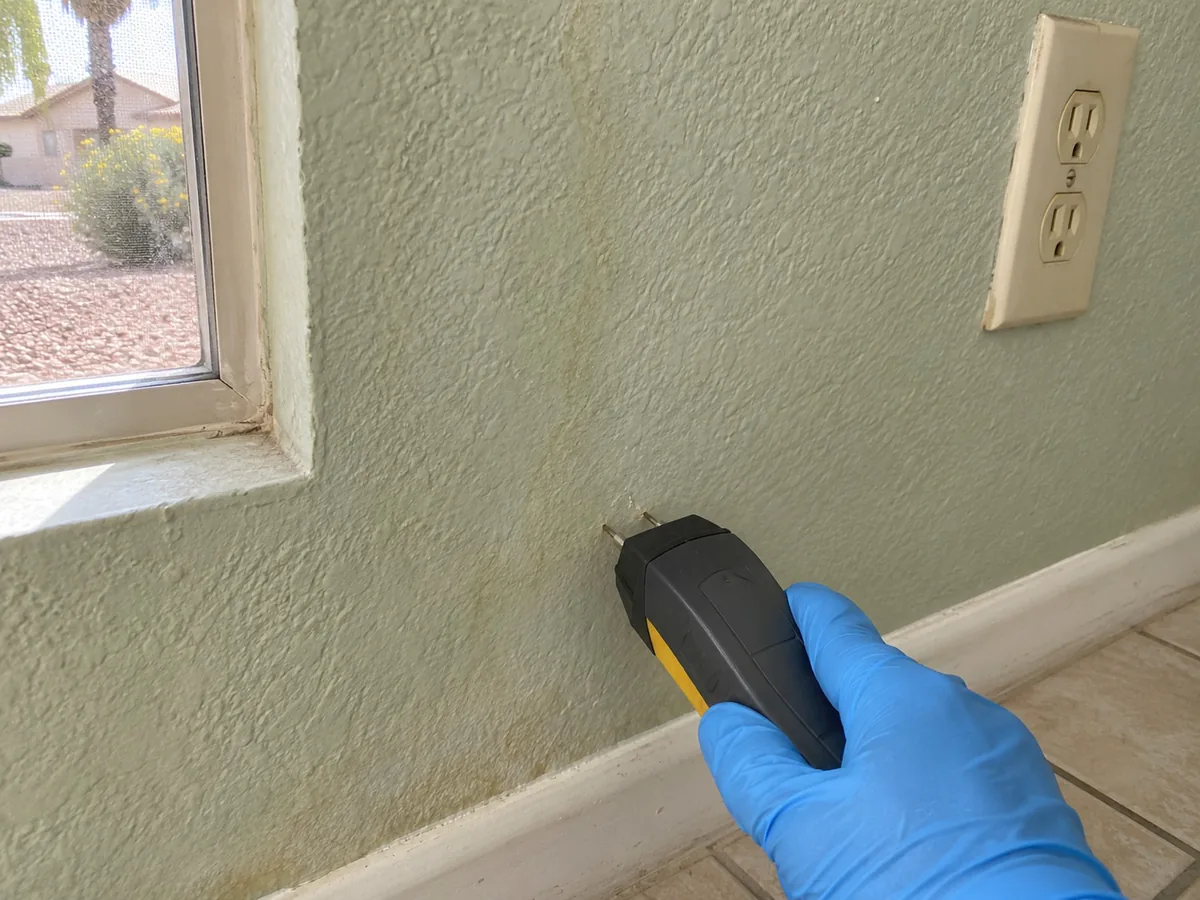
Moisture assessment
Discuss your Newcastle property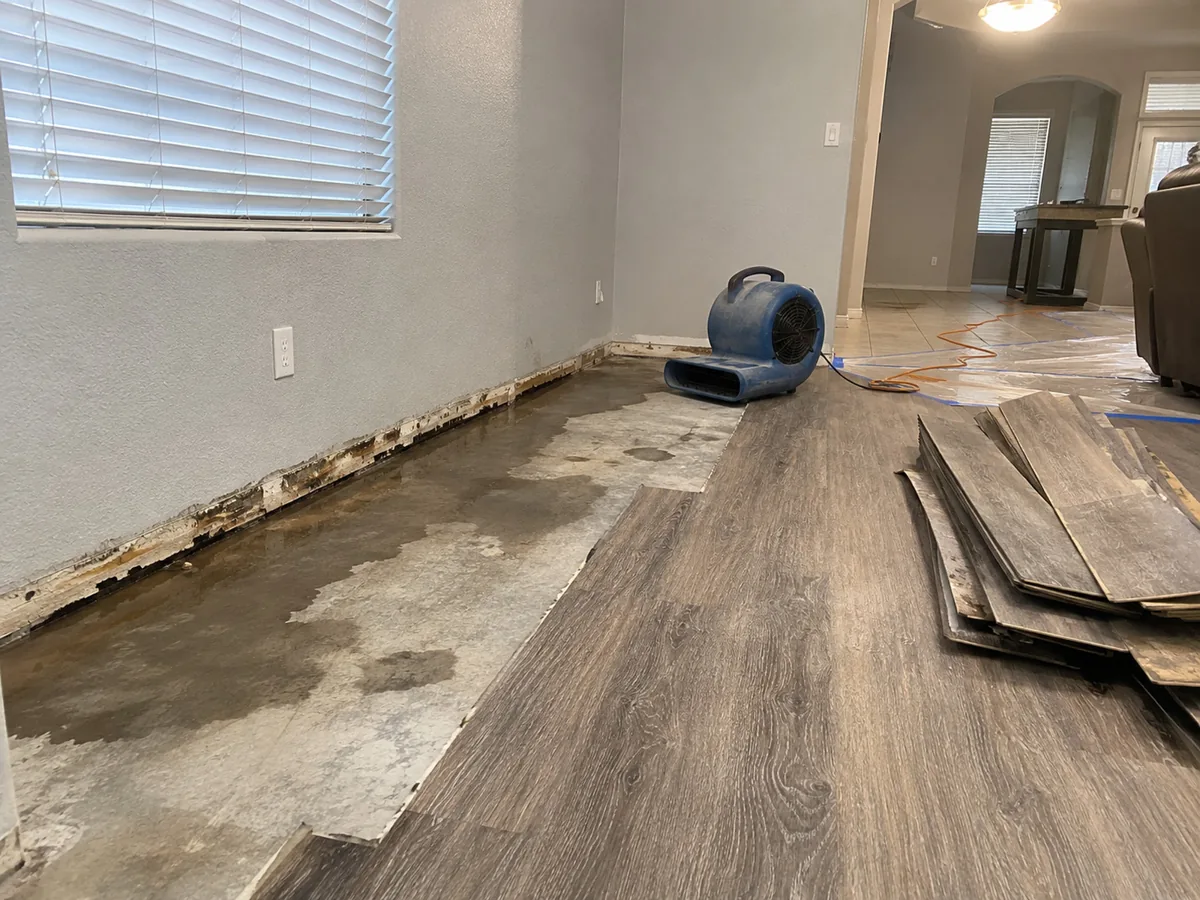
Floor and subfloor drying
Discuss your Newcastle property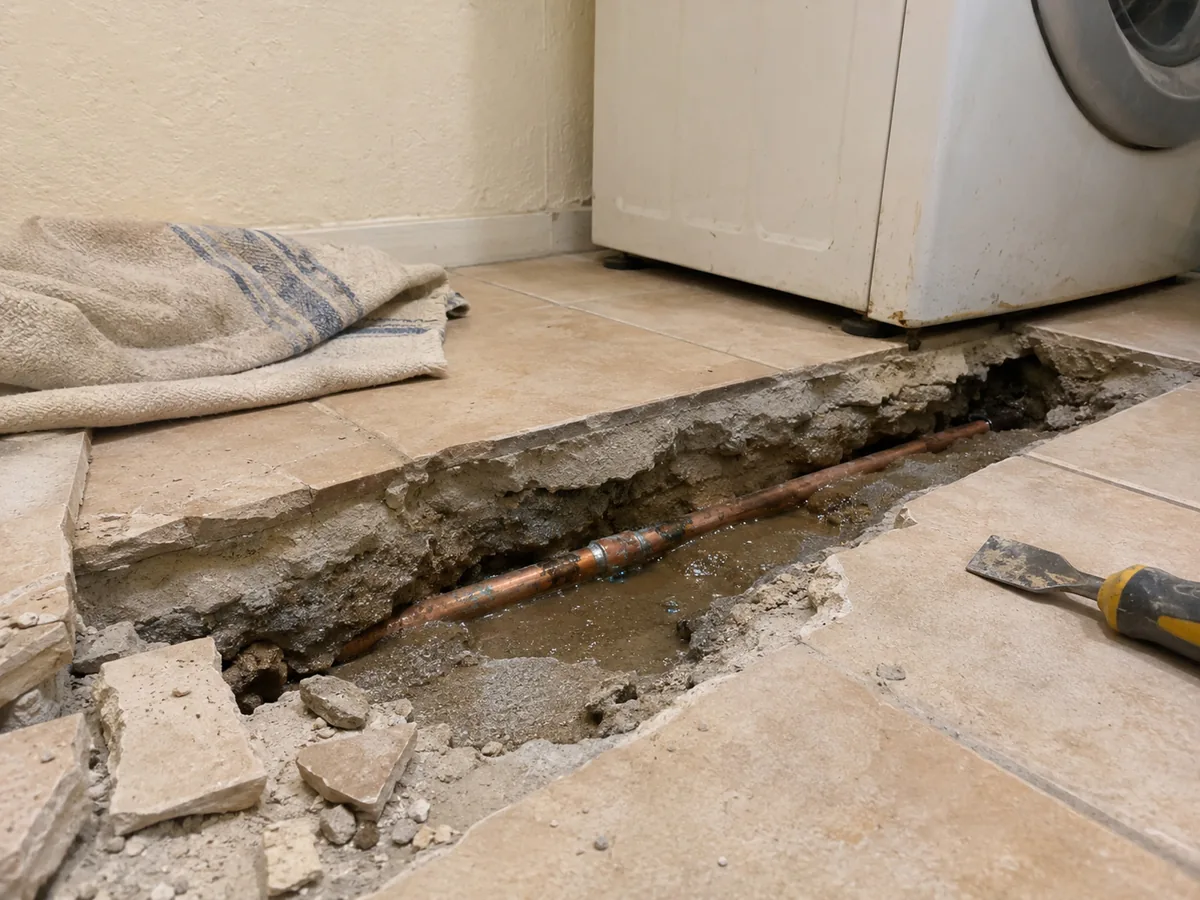
Slab leak water damage
Discuss your Newcastle property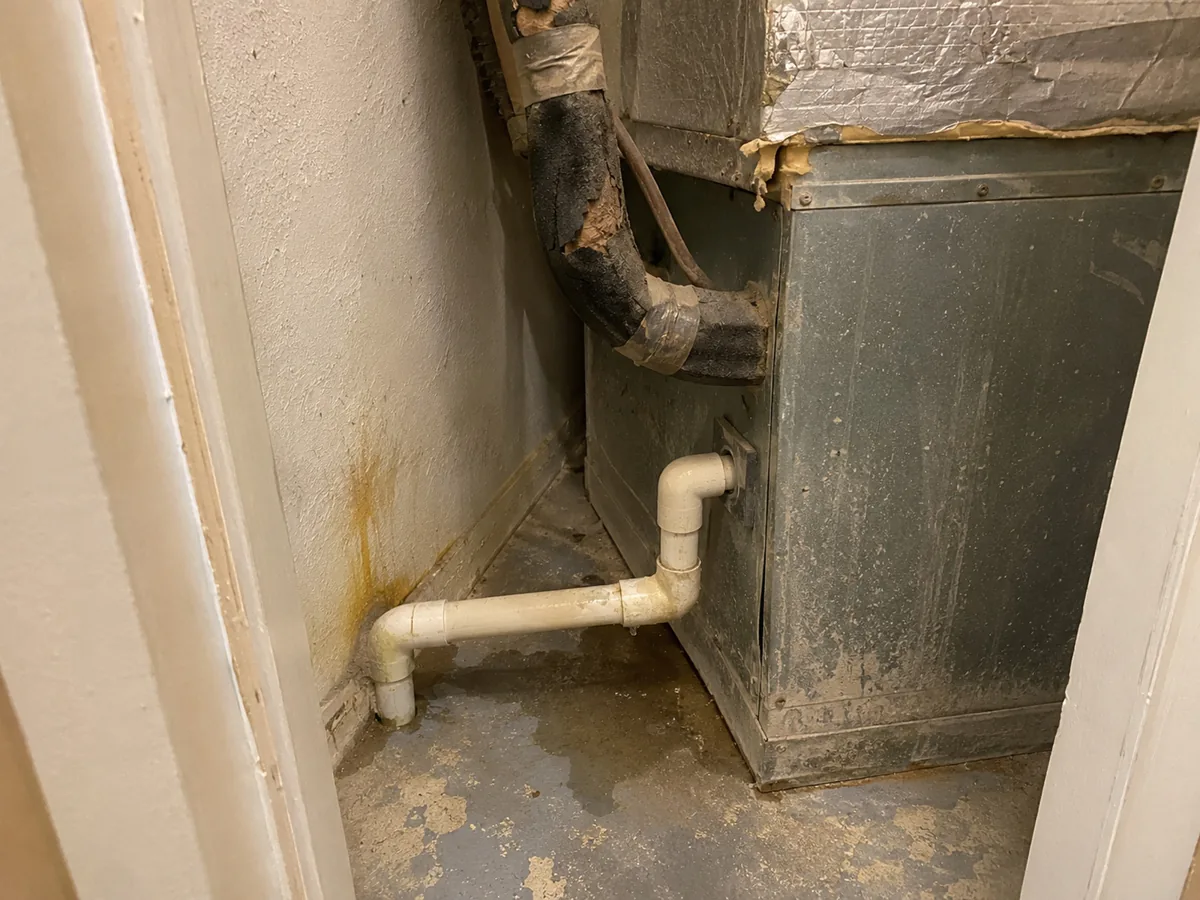
HVAC condensate leak cleanup
Discuss your Newcastle property
Unoccupied home water damage
Discuss your Newcastle propertyWhat to check at your Newcastle property
If water appears only during rain, note which wall gets wet and whether outside drains or downspouts overflow. If a ceiling stain appears after a bathroom is used, stop using that fixture and have the source checked. Avoid opening a ceiling that is sagging or holding water.
Rain-linked staining
Record the interval between rain and visible indoor moisture.
Ceiling damage
Keep clear of sagging drywall and falling finish materials.
Floor transitions
Check where wet flooring meets an apparently unaffected room.
Repeat events
Share previous repair and drainage records rather than assuming the old cause has returned.
Restoration options for Newcastle
The source and the affected assembly guide the plan. Review the relevant service before calling, and tell us if the water is contaminated or the start time is unknown.
Water damage restoration for Newcastle properties
A Newcastle water loss may show up as a wet ceiling, a changed floor seam, or moisture along a lower wall. The visible finish is the starting point for inspection, not the whole scope. Tell us whether water is still entering and what was happening before it appeared, including rainfall and use of fixtures above the affected area.
If the source is not known, describe the observations without choosing a cause. A roof leak, plumbing leak, and exterior opening can all leave a ceiling or wall stain. Keeping the source question open allows the relevant trade to investigate while the restoration assessment identifies the materials that need attention.
Lake Boren watershed planning and property drainage
Newcastle’s Stormwater Management Action Plan includes Lake Boren in its planning context. The plan is useful background for understanding why runoff is assessed through drainage areas and receiving waters. For a homeowner, the practical question remains where water travels across the lot and how it enters the building.
Note whether the wetting occurs during rain, shortly afterward, or independently of the weather. A repeated pattern can help a drainage professional decide where to investigate. From safe ground, record overflowing inlets, downspout discharge, or water at an opening when those conditions are visible. Do not enter a buried drain or lift a cover to trace the route.
Interior drying does not redesign a private drainage system. If correction requires changing a connection, grading, or an outlet, check the city’s current requirements and obtain the appropriate advice. Keep the entry photographs and repair records so a later rainfall can be compared with the original event.
A ceiling leak needs a source and cavity check
For damage below a bathroom, tell the assessor which fixtures were used and whether the drip changes when use stops. For rain-linked damage, note the timing and visible exterior symptoms. Do not keep running a suspect fixture or climb onto a wet roof to reproduce the event yourself.
The ceiling assessment should consider more than the stain boundary. Water can travel along framing and wet insulation or adjacent board before becoming visible. Keep clear of sagging materials and wet electrical fittings. Discuss what is accessible and which selective openings may be needed to understand the assembly.
Floor transitions can change the restoration decision
A continuous water path may cross tile, a floating floor, carpet, and built-in cabinetry. Each part can conceal moisture differently. Ask the assessment to follow the route through those transitions, especially where a surface looks dry but an adjoining edge remains wet.
Before replacement, separate the drying review from the installation requirements of the chosen floor. An installer may need a particular substrate test or preparation. Planning that early can prevent a finished room from being reopened because the retained base or underlayment was never addressed.
Newcastle water damage symptoms and next steps
| What happened | Information to gather | Next discussion |
|---|---|---|
| A ceiling stain during rain | Record timing and keep clear of unstable finishes | Investigate exterior entry and the cavity |
| Moisture after using an upstairs fixture | Stop suspect fixture use and document the pattern | Arrange plumbing diagnosis and damage assessment |
| Wet floor at a material change | Check both sides of the transition | Consider the full layered assembly |
Planning restoration in an occupied Newcastle home
Tell the restoration provider which rooms are occupied, how people normally move through the house, and whether an adjoining unit or shared corridor is involved. Equipment needs safe electrical access and clear paths. Discuss where hoses and cords will run before they cross a doorway or the route to a bathroom.
Ask which spaces can remain in use and what happens to belongings in the work area. Moving a wet item into a clean bedroom can transfer moisture or contamination. Valuable furniture, electronics, papers, and specialty finishes may need separate advice. Record their condition before movement where that can be done without entering a hazardous area.
If equipment is left running, get instructions on what to leave in place, who to call if a unit stops, and when the next inspection is expected. Do not move a dehumidifier or redirect airflow simply because the surface feels dry. Discuss noise, access times, and any need to keep a room isolated at the start of the job.
What to ask for in a Newcastle restoration work scope
Ask for a description of the affected rooms and the materials included in the work. A room name alone is not enough when water has reached a cabinet cavity, an adjoining closet, or the ceiling below. Mark the boundaries together and ask what would cause the scope to change after work starts.
The estimate should distinguish water removal, cleaning, equipment, material removal, and reconstruction where those items apply. Ask whether monitoring visits are included and how additional findings are approved. A price based only on square footage can miss the difference between accessible tile and several wet layers beneath an installed floor.
Keep a copy of the agreed scope alongside discovery photographs, the source repair report, and later invoices. These records help you follow the job and answer questions from a property manager or insurer. Your insurer determines coverage under the policy; the cleanup contractor’s assessment documents conditions and proposed work.
From water damage cleanup to repair in Newcastle
- Control the sourceRepair the leak or address the entry route. Confirm the area is safe.
- Remove and cleanExtract accessible water and determine which materials can remain.
- Dry and measureTrack the affected assembly, not just room humidity.
- Prepare for repairReview remaining moisture, damage, access, and finish requirements.
These stages can overlap. A plumber may repair a supply line while a separate restoration scope addresses wet flooring. Rebuilding should follow the condition of the materials rather than a date chosen before the damage was inspected.
Map of Newcastle, WA
View Newcastle and the surrounding streets. Call with your property location to discuss access and restoration needs.
Open Newcastle in Google MapsCONTACT MERCER ISLAND RESTO
Contact us about water damage in Newcastle
Tell us what happened, which rooms are wet, and whether the source has stopped.
For active water damage, call(564) 777-0869
Monday through Friday, 8:00 AM to 7:00 PM
Emergency service: 24 hours
For a non-urgent enquiry, complete the form to prepare an email. Your email app opens with the details; send the draft there to contact us.
USEFUL ANSWERS
Newcastle water damage restoration FAQs
Does a Newcastle water stain always mean a roof leak?
No. Water can travel from plumbing, exterior openings, or a roof assembly before becoming visible. The stain is evidence of a wet area, but it does not by itself identify the source.
What should I record after rainwater enters a Newcastle home?
Record the time, affected opening or wall, and the outdoor route visible from safe ground. Keep photographs of overflowing inlets or downspout discharge if available. Do not enter floodwater or open drainage covers.
Should the room below a Newcastle bathroom leak be checked?
Tell the assessor about both levels. Water can travel through framing or penetrations before it appears on a ceiling. Keep clear of sagging finishes and wet electrical fittings.
Does interior drying correct a Newcastle drainage problem?
Drying addresses the present wet building. A recurring entry route also needs source investigation and correction. Changes to grading or drain connections should be reviewed with the city and the appropriate professional.
What matters when a Newcastle floor is wet at a doorway?
Check both sides of the transition. Different floor finishes and underlayments can conceal water differently, so the assessment should follow the water path rather than stop at the room boundary.