Published November 4, 2026 · Mercer Island Resto
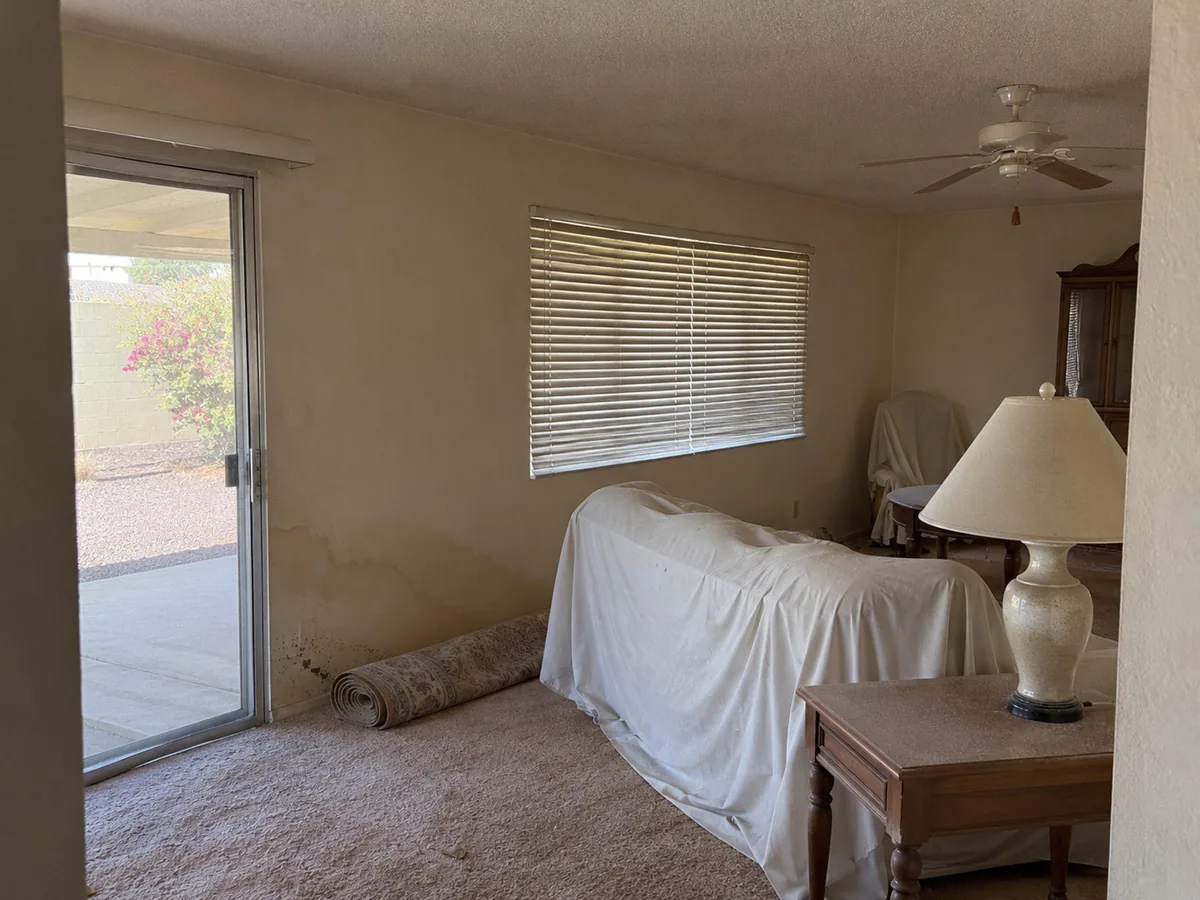
When you return to a wet house, the first difficult question is often how long the leak has been running. You may not be able to answer it. What you can do is separate what is known from what is estimated, keep people out of unsafe rooms, and arrange an assessment that accounts for concealed damage.
Write down two times, even if you cannot name the leak date
Record when the damage was discovered and when the property was last known to be dry. Those are separate facts. A caretaker visit, an existing photograph, or a maintenance appointment may narrow the interval. Keep the original information rather than turning a likely date into a definite one.
Also record what was still happening at discovery. Was a supply line running, was water rising through a drain, or was the floor wet without an obvious active source? If someone shut off a valve or repaired a component, add the time and the repair details. This gives the restoration assessment a sequence to work from.
Let the condition of the room decide how you approach it
Do not enter standing water near electrical equipment or stand beneath a sagging ceiling to collect belongings. Keep children and pets away from a drain backup or visibly contaminated area. If the room is unsafe, explain what can be observed from outside it. For a life-threatening emergency, call 911.
A household vacuum or fan is not a substitute for identifying the water source. If contamination is possible, moving air or carrying items through clean rooms can complicate the cleanup. Discuss access and material handling before clearing the space. Our unoccupied-home water damage page outlines the assessment questions when the duration is unknown.
Make the first phone call specific
| What you notice | What to record | Who or what to check next |
|---|---|---|
| You are at the property | Discovery time, last known dry date, affected rooms | Discuss current safety conditions and access |
| A caretaker found the leak | Their observations and what they changed | Agree on an authorized contact for entry and scope decisions |
| The source has already been repaired | Repair report, photographs, and time the water stopped | Assess what remains wet beneath or behind finishes |
| No one knows where the water came from | Location of stains, odors, and wet materials | Arrange source investigation and a moisture assessment |
If you are still away, authorize a workable access plan
Choose someone who is allowed to arrange entry and communicate with the service provider. Discuss gates, alarms, parking, and any rooms that must remain secured. Share access details through an appropriate direct channel. An address and a key left somewhere do not answer who can approve an opening in a wall or a change to the work scope.
Agree on how findings will be reported. A wide photograph labeled with the room and date is often easier to interpret remotely than several close-ups. Ask for a short explanation of what was found, the proposed work, and any inspection limits. Establish how you will be reached if material removal reveals a larger affected area.
Do not use the visible puddle as the damage boundary
Water can pass beneath flooring, behind a cabinet base, or into a lower-level ceiling. Furniture and rugs may conceal the route. The central part of a room may look dry while an edge or underlayment remains wet. Ask which surrounding rooms and accessible layers were included in the assessment.
A moisture assessment can help map suspect materials and identify where another trade needs to investigate the source. It should distinguish measured locations from concealed areas that could not be checked. That record matters when you later decide whether a cabinet, wall finish, or floor can remain.
Give belongings a documented route through the cleanup
Before items move, record their condition where it is safe to do so. Distinguish dry belongings from wet or suspect items. Moving a soaked rug into an unaffected bedroom may transfer moisture and hide part of the original floor damage. Discuss a staging location before the room is cleared.
Electronics, important papers, artwork, and specialty furniture may need individual advice. Tell the contractor which items have particular value before disposal decisions are made. Do not assume one handling method suits everything in the room. Keep any agreed decisions in the project record, including items set aside for a separate specialist.
Understand why the time away affects the questions, not a fixed verdict
An extended or uncertain wetting period can increase concern about material deterioration and concealed growth. It does not allow a reliable whole-house diagnosis from one photograph. The source, affected materials, visible condition, and inspection access still need to be considered together.
If growth or a musty area is found, discuss it before disturbing finishes. The mold and moisture remediation page explains why correction of the moisture source belongs in the plan. A fragrance, coating, or dry surface does not by itself establish that an affected concealed layer has been addressed.
Keep source repair, drying, and reconstruction as clear handoffs
The source repair stops additional water. Extraction removes accessible liquid, and structural drying addresses moisture retained in the assembly. Reconstruction then restores the finishes. Ask which tasks are included in the agreement and which belong to a separate trade.
If a new floor is planned, involve the installer before closing the drying phase. The product may require a particular substrate test or preparation. Keep the source repair record, approved scope, and drying information together so the person rebuilding the room understands what was checked and what remains unresolved.
The file to keep while decisions are being made
- Discovery time and last known dry condition, recorded separately.
- Photographs labeled by room and date, plus the original source repair report.
- Authorized access contact and agreed method for approving scope changes.
- Contents decisions, approved removal boundaries, and any specialist referrals.
- Progress information, invoices, and repair acceptance requirements supplied by the relevant trades.
Where to get local help
Mercer Island Resto serves Mercer Island, Bellevue, Seattle, Medina, Newcastle, and Clyde Hill. Contact us with the property city and an authorized access contact. If the suspected source is the heater, read what to check around a leaking water heater for the information to keep with that service call.